Recent tests show that almost 80% of household cleaners have synthetic byproducts. 1,4-Dioxane Contamination in US Laundry Detergents is a big worry for health-aware families. It’s not added on purpose but comes from making surfactants softer and better.
Even though rules are getting stricter, many people don’t know the dangers of daily exposure. Knowing about 1,4-Dioxane Contamination in US Laundry Detergents helps you make better choices. Our research shows how these chemicals affect safety and how to lower your family’s risk.
Key Takeaways
- 1,4-dioxane is a manufacturing byproduct, not a purposeful additive.
- Independent testing is the most reliable way to identify specific product safety levels.
- Regulatory shifts are currently forcing manufacturers to improve their chemical filtration processes.
- Consumers can reduce risk by choosing products with transparent ingredient sourcing.
- Long-term exposure to trace chemical residues remains a subject of ongoing clinical study.
Understanding the Chemistry of 1,4-Dioxane
It’s important to know about 1,4-dioxane to understand why it’s in detergents, even if it’s not listed. It’s not added on purpose. It comes from the ethoxylation process used to make surfactants.
Surfactants are what make water and oil mix, helping clean surfaces. Ethoxylated alcohols are used to make these surfactants better. But, a chemical compound contamination can happen as a side effect.
1,4-dioxane forms when ethylene oxide molecules react during surfactant production. Because this reaction is complex, some of the byproduct stays in the detergent. That’s why it’s often not listed on labels, even when chemical compound contamination is there.
Knowing how 1,4-dioxane is made helps us understand why even good brands might have it. It’s a problem in making modern cleaners. By understanding this, we can make safer choices for our homes.
The Prevalence of 1,4-Dioxane Contamination in US Laundry Detergents
A detailed US market analysis shows that 1,4-dioxane was often found in many cleaning products. It’s not added on purpose but comes from making ethoxylated surfactants.
In 2019, a study made this problem a big topic in health talks. It found 65 out of 80 household items, like laundry detergents, had 1,4-dioxane.
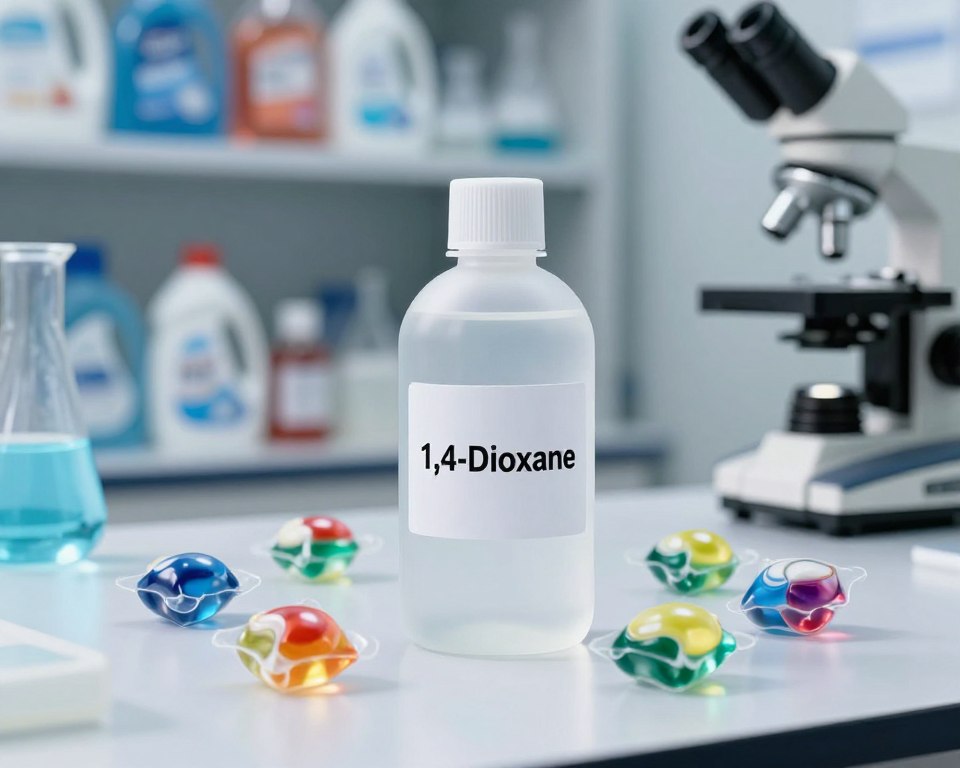
This 1,4-Dioxane Contamination in US Laundry Detergents shows a big problem in how things were made before. Because it’s a byproduct, it was missed for years.
The study’s results led to more focus on public health. It also led to laws to reduce these harmful substances in products.
This big problem shows we need to keep watching how products are made. Both buyers and officials want to make sure things are safe today.
Health Risks and Toxicological Concerns
Looking into the health risks of 1,4-dioxane, we need to rely on solid scientific data. The Environmental Protection Agency (EPA) says it might cause cancer in humans. This is based on many lab tests showing long-term exposure can harm us.
Using laundry detergents now and then is usually safe. But, the long-term effects of being exposed to harmful chemicals in household items are being studied hard. It’s key to know the difference between short-term and long-term exposure to harmful chemicals.
The big worry is how these harmful chemicals stay in our environment. 1,4-dioxane mixes well with water but doesn’t break down easily. This means it stays in our water systems, affecting our health over time.
Experts say the biggest risk is from long-term exposure, not just one-time contact. By focusing on reliable research, we learn how these chemicals affect us over years. Knowing this helps us make smarter choices about what we use at home.
Regulatory Landscape and Industry Standards in the United States
New York State is leading the way in detergent industry regulations. They’ve set a limit of 1,000 parts per billion (ppb) for 1,4-dioxane in cleaning products. This move is a big step for keeping consumers safe nationwide.
Because companies share supply chains, this rule has become a de facto national standard. To sell in New York, brands must change their products for the whole country. This means they have to be more careful about what goes into their products.
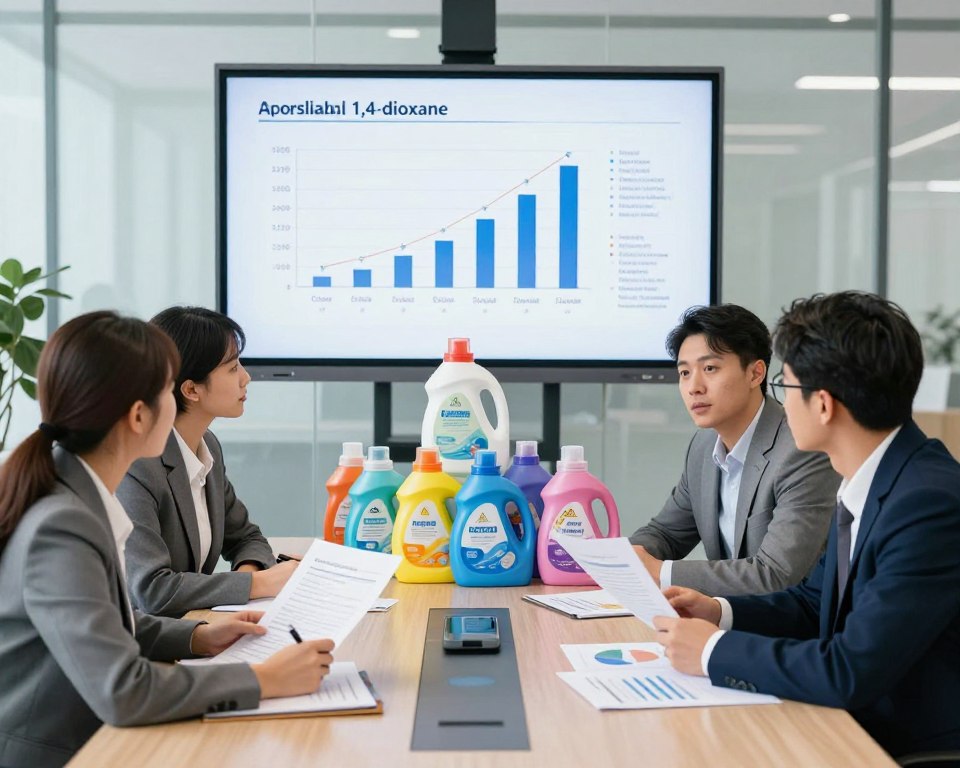
This change shows how state laws can push companies to be safer. As brands remove more contaminants, laundry products are getting safer. Here’s a table showing the current rules and how they’re changing the market.
| Regulatory Metric | Current Status | Industry Impact |
|---|---|---|
| New York Limit | 1,000 ppb | Mandatory compliance |
| National Standard | De facto alignment | Supply chain overhaul |
| Quality Control | Enhanced testing | Reduced chemical risk |
| Detergent Industry Regulations | Strict oversight | Increased transparency |
How 1,4-Dioxane Enters the Laundry Supply Chain
Chemical compound contamination often starts in the making of cleaning products. The main problem is ethoxylated surfactants, which help remove dirt and grease. But, 1,4-dioxane is made as a byproduct during their creation.
This substance is not listed on product labels because it’s not meant to be there. Even though manufacturers try to remove it, some always stays in the detergent. When we use the product, this chemical goes into our home’s drainage system.
The detergent then goes into sewage systems or septic tanks. But, most water treatment plants can’t get rid of this chemical compound contamination. So, it stays in the water cycle, ending up in our groundwater and surface water.
This shows a big problem with our water treatment systems. 1,4-dioxane is very soluble in water, making it hard to remove. To learn more about this issue, check out this dioxane water contaminant page. We need better ways to make products and treat wastewater to solve this problem.
Analyzing High-Contamination Detergent Brands
A US market analysis reveals that big detergent brands are now safer. They’ve made changes to meet new chemical limits. This is a big win for keeping household products safe.
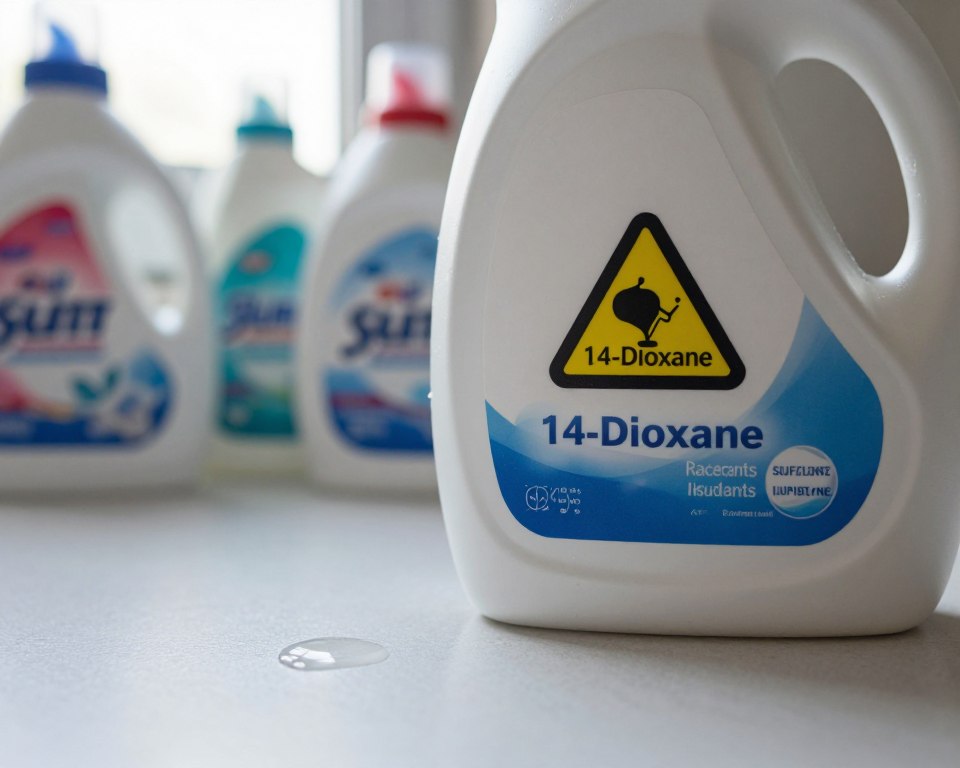
Tide Original Scent Analysis
Tide Original Scent has been in the spotlight for chemical byproducts. The maker made changes to its ingredients. Now, tests show it’s safer for use.
Gain Original Liquid Detergent Findings
Gain Original Liquid Detergent has also been checked for safety. It changed its formula to cut down on harmful chemicals. Now, it meets safety standards for big detergent makers.
Persil ProClean Performance and Chemical Profile
Persil ProClean is known for its cleaning power and safe chemicals. It updated its ingredients to lower risks. This US market analysis shows it’s safe without losing its cleaning strength.
- Regulatory Compliance: All reviewed brands now meet state-mandated safety limits.
- Formulation Refinement: Manufacturers have successfully optimized surfactant sourcing to reduce 1,4-Dioxane Contamination in US Laundry Detergents.
- Consistent Quality: Recent testing confirms that these improvements are stable across current retail batches.
Brands with Lower or Trace Levels of 1,4-Dioxane
High laundry product safety standards come from cleaner making and clear ingredients. Many brands work hard to cut down 1,4-dioxane. They use new surfactants or vacuum stripping to get rid of unwanted stuff.
Choosing safer options helps lower toxin exposure. Here are brands that focus on keeping their products clean.
Seventh Generation Free and Clear
Seventh Generation leads in clear ingredient labels. Their Free and Clear line uses plant-derived surfactants. This choice means less chance of 1,4-dioxane in their products.
Method Laundry Detergent Ingredients
Method innovates to keep their laundry product safety high. They pick non-ethoxylated cleaners to avoid common toxins. Their products are tested thoroughly to be safe and effective.
Ecos Hypoallergenic Liquid Detergent
Ecos is known for safe, hypoallergenic formulas. Many of their products have the EPA Safer Choice label. This means they meet strict chemical safety standards. They make sure to remove 1,4-dioxane, making them safe for sensitive homes.
When looking at these brands, think about these key points:
- Plant-based surfactants: These are less likely to be ethoxylated.
- Advanced purification: They use vacuum stripping to remove impurities.
- Third-party certification: Labels like EPA Safer Choice show they meet laundry product safety standards.
Environmental Impact of Chemical Runoff
It’s key to know how environmental impact from chemical compound contamination affects our water. Many people focus on clothes being clean, but the real issue is what happens after. Synthetic detergents keep affecting our environment long after we wash them.
1,4-Dioxane moves easily through soil and water, spreading far from where it starts. It doesn’t break down quickly, posing a lasting threat to our ecosystems. This means it stays in our water for a long time.
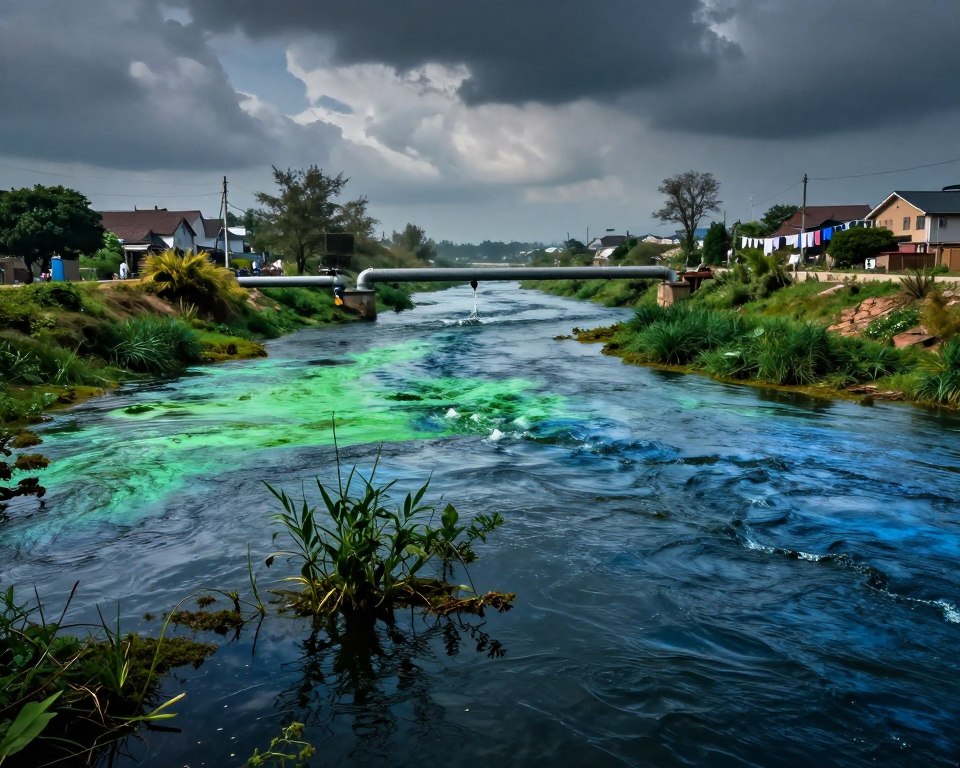
When we wash laundry, these chemicals can get into our drinking water. This makes it hard for water treatment plants to keep our water clean. The issue is also seen with dishwasher pod residue and toxic dishes, showing how household items harm our water.
The long-term effects of this environmental impact are serious. We need to watch out for these risks. Here’s how these substances act in our environment:
- High Solubility: It dissolves easily in water, making it hard to stop once it’s in the sewage.
- Groundwater Migration: It can move through soil to deep aquifers, which are hard to clean.
- Persistence: It doesn’t break down like organic stuff, so it builds up in our water.
- Ecosystem Disruption: Small amounts can harm aquatic life and upset the balance of our habitats.
To keep our water safe, we must understand how these chemicals work. By knowing their journey, we can push for cleaner, safer products in our homes.
Consumer Safety Concerns and Public Awareness
In the United States, awareness about 1,4-dioxane has hit a high point. People are learning more about what’s in their everyday items. This has made consumer safety concerns a big topic. It shows that people want to know what they’re using and how it affects their health.
The Environmental Protection Agency (EPA) has taken action. They’ve given a legal basis for federal rules. This move acknowledges the dangers of chemicals and gives people the power to ask for better products. It’s a big step towards keeping families safe from harmful substances.
“The power of the informed consumer is the most effective tool for driving industry-wide reform and ensuring that safety remains a non-negotiable priority in product development.”
Now, finding a balance between clean clothes and safety is key. Consumer safety concerns are driving changes in the market. Brands are looking at their sources more closely. Thanks to public action and smart shopping, we’re moving towards a safer laundry world.
Interpreting Ingredient Labels for Hidden Toxins
Understanding the language on cleaning product labels is key to reducing toxin exposure at home. 1,4-dioxane is not listed because it’s a byproduct, not an added ingredient. This makes it hard for people to know if their laundry products are safe.
To choose wisely, look beyond the front of the bottle. Focus on the chemical makeup to spot harmful chemicals. Knowing the basics of toxicology helps understand the dangers of these hidden substances.
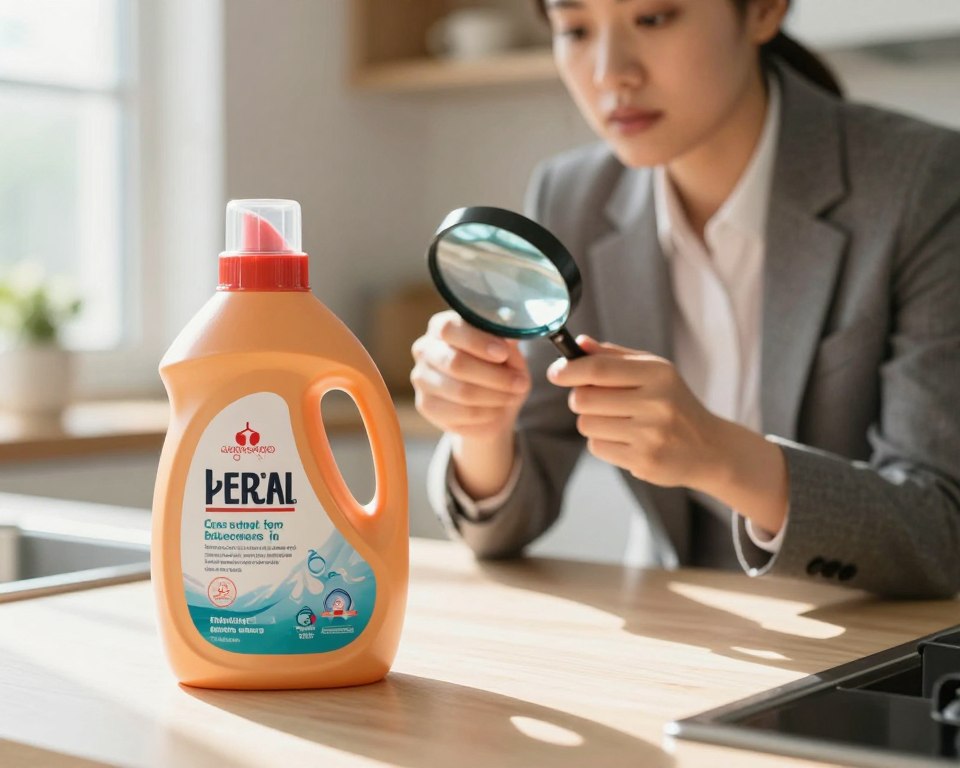
Identifying Ethoxylated Surfactants
1,4-dioxane comes from ethoxylation in detergents. This makes surfactants gentler and better at cleaning grease. Look for specific prefixes or suffixes in the ingredient list to spot these.
Terms with “eth”, like sodium laureth sulfate or polyethylene glycol (PEG), indicate ethoxylation. These surfactants are common but often linked to toxin exposure in laundry detergents.
Recognizing Common Chemical Aliases
Chemical names can be complex and misleading. A single substance might have many names, making it hard to track harmful chemicals. Knowing these aliases is essential for health-conscious shoppers.
For example, “alcohol ethoxylates” or “polyoxyethylene” show the ethoxylation process. When you see these names, it’s a sign to dig deeper into the brand. Keeping a list of these aliases helps you quickly identify safe products.
The Role of Surfactants in Chemical Exposure
Surfactants are key in cleaning our clothes, but they also cause chemical contamination. They make up 10% to 30% of most detergents. These compounds help remove dirt and oils from fabrics.
The way they work involves ethoxylation. This process makes them better at cleaning by adding ethylene oxide. But, it can also create 1,4-dioxane, a harmful byproduct. This affects the amount of toxin exposure for users.
Dealing with consumer safety concerns means understanding how these ingredients affect our homes. Many people don’t know that cleaning agents can bring harmful chemicals into their homes. Knowing about 7 common toxins found in laundry helps us make better choices.
The industry is moving towards safer ways to make these products. By improving the ethoxylation process or using different surfactants, companies can lower the risk of harmful chemicals. Below is a table showing how different surfactants compare in terms of byproduct formation.
| Surfactant Type | Primary Function | Ethoxylation Risk | Safety Profile |
|---|---|---|---|
| Alcohol Ethoxylates | Grease removal | High | Requires monitoring |
| Sodium Lauryl Sulfate | Foaming agent | Low | Generally safer |
| Alkyl Polyglucosides | Mild cleaning | None | Excellent |
| Linear Alkylbenzene Sulfonate | Stain lifting | Moderate | Standardized |
Knowing about these chemicals is key for our health. As we check our household items, we focus on clear information and fewer chemicals. This helps us choose detergents that clean well but are also safe.
Advocacy and Legislative Efforts for Safer Products
Recent policy changes show how focused advocacy can lessen the environmental impact of household chemicals. Groups dedicated to this cause have shed light on the dangers of chemical byproducts in cleaning products. Their efforts have pushed for clearer information and accountability from makers.
These actions have led to changes in detergent industry regulations. They’ve made companies rethink how they handle chemical impurities. By sharing solid data with lawmakers, these groups have moved the focus to stricter safety rules. This way, health comes first, not just business needs.
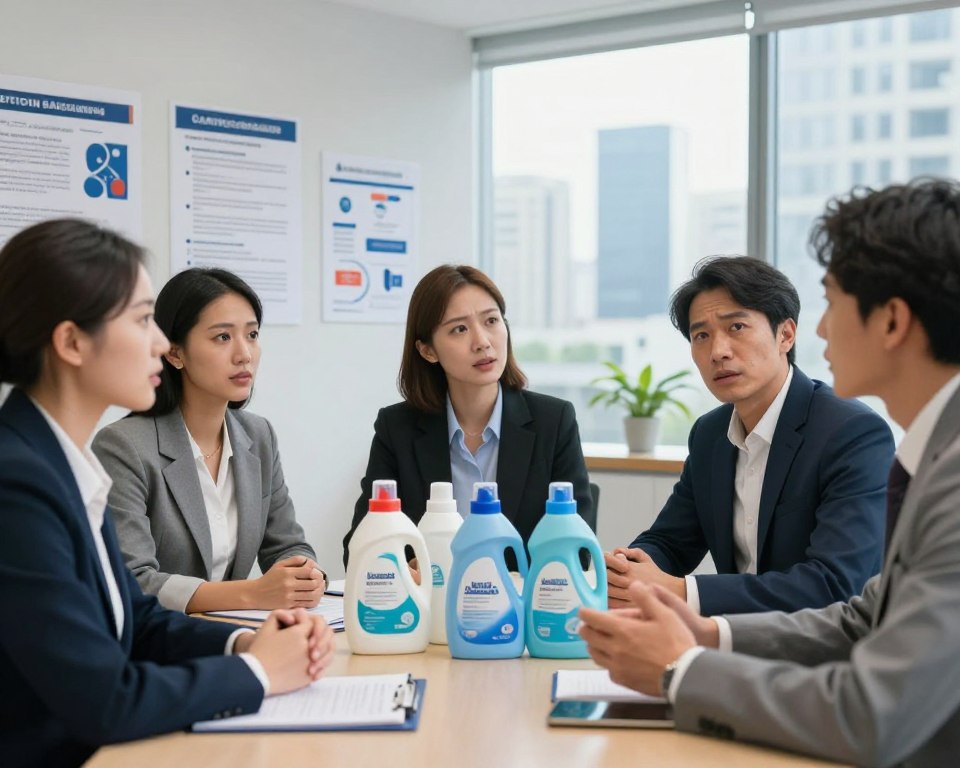
A big win in this fight is New York State’s rule on 1,4-dioxane in drinking water. They set a 1 parts per billion (ppb) limit. This rule is a critical benchmark for other states to follow. It shows that tough detergent industry regulations are doable and needed to protect our water.
These laws show the strength of informed policy in keeping communities safe. By keeping an eye on the environmental impact of these chemicals, advocates help safety standards grow with new science. Their ongoing push for evidence-based policies is key for protecting our planet and people’s health for the long run.
Comparing Conventional vs. Eco-Friendly Detergent Formulations
The US market analysis shows a big move to concentrated formulas. But, this change brings new safety challenges for laundry product safety. Companies are now making smaller packages to cut down on plastic and emissions. This helps the planet, but it’s tricky to keep surfactant levels right to avoid 1,4-dioxane.
Older detergent brands focus on making lots of product cheaply. They use surfactants that might make 1,4-dioxane. But, green brands use advanced vacuum stripping to clean their products better.
Changing to smaller, more concentrated formulas has its downsides. They have more active stuff in a smaller space. If the ingredients aren’t clean, the risk of toxins goes up. People have to think about the planet versus the need for safe chemicals.
To keep laundry product safety high, we need to know where our products come from. Green brands tell us more about what’s in their products. This lets us watch over what we buy better. Here’s a table showing the main differences between old and new ways of making detergents.
| Feature | Conventional Detergents | Eco-Friendly Detergents |
|---|---|---|
| Surfactant Source | Petroleum-based | Plant-derived |
| Purification Process | Standard filtration | Advanced vacuum stripping |
| Concentration Level | Variable | High (Ultra-concentrated) |
| Environmental Focus | Cost and performance | Sustainability and safety |
Best Practices for Reducing Toxin Exposure at Home
Start reducing your contact with harmful chemicals by making simple changes to your laundry routine. While companies have a role in safety, you have a big part to play too. By following consistent habits, you can keep your home safe from harmful chemicals.
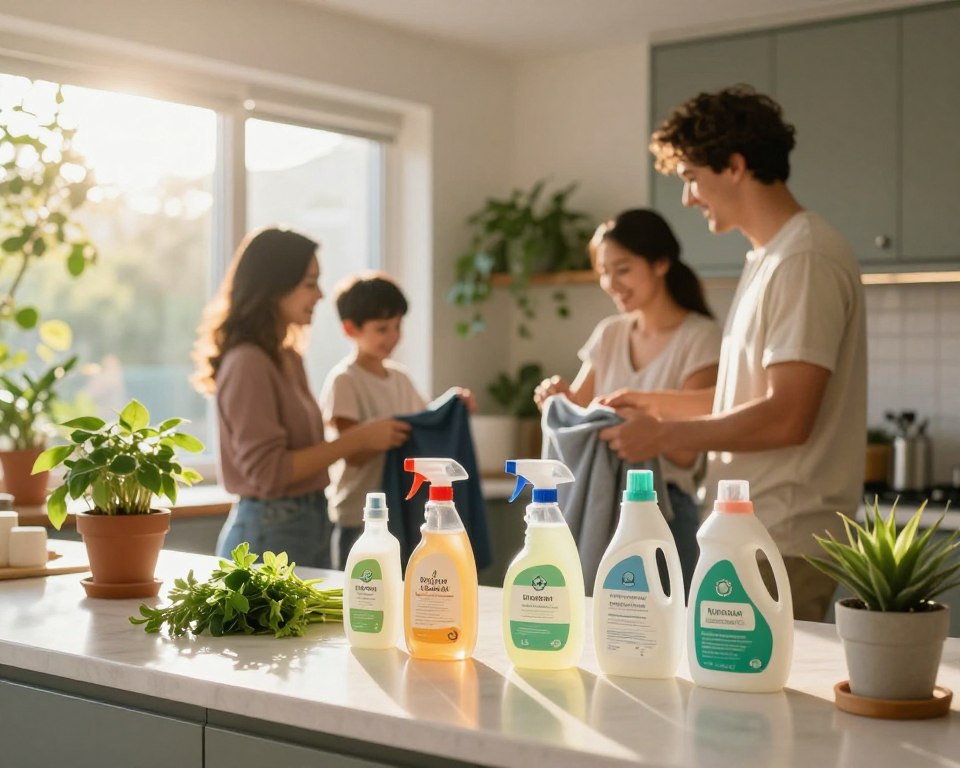
“The most effective way to ensure a clean home environment is to combine informed product selection with rigorous mechanical cleaning processes that prioritize the removal of synthetic residues.”
Optimizing Rinse Cycles
One key way to lower toxin exposure is to make sure all additives are washed away. Modern washing machines use less water, which can leave residues. Choose the “extra rinse” setting for every load to fix this.
This simple action makes sure clothes get clean water. It helps remove any leftover chemicals. For those with sensitive skin, this is a must for a healthy home.
Choosing Concentrated Formulas
Choosing the right detergent is as important as how you wash clothes. Many brands use vacuum stripping to remove impurities. Concentrated formulas are often better because they’re made with quality in mind.
When buying laundry supplies, look for these things:
- Choose brands that use vacuum stripping to remove impurities.
- Opt for concentrated detergents with fewer additives.
- Check for third-party certifications that show safety.
By following these best practices, you can greatly reduce toxin exposure. This ensures your laundry stays clean and fresh. Staying consistent with these steps helps keep your home safe for the long term.
Future Outlook for the Detergent Industry
Global rules are pushing the detergent industry regulations toward a new era. This era values transparency and safety. Companies are now aiming for “hyperlow” levels of 1,4-dioxane, meeting new international standards.
The European Union is at the forefront, planning to set 1 ppm limits in active ingredients. This move is making the environmental impact of making products a key focus for companies. Those who adopt these lower levels are seen as leaders in safety.
For the industry to reach these goals, new technologies are needed. Engineers are working on safer surfactant technologies. These innovations help keep cleaning power high while following detergent industry regulations.
“The future of chemical manufacturing lies in the ability to innovate at the molecular level, ensuring that efficacy and safety are no longer viewed as competing interests.”
This path shows a long-term focus on reducing harmful chemicals in products. The goal is to lessen the environmental impact and gain more public trust. Soon, all major brands in the U.S. will likely follow this cleaner path.
Conclusion
Dealing with 1,4-dioxane contamination needs a team effort from makers, regulators, and buyers. We’ve seen big steps forward in cutting down this harmful chemical. But, we must keep watching to protect our health long-term.
You can make a big difference by picking products from brands like Seventh Generation or Ecos. They show that cleaning can be safe for your family. By choosing wisely, you help make the whole industry cleaner.
Knowing about the science and rules helps you pick safer items for your home and the planet. We’re here to help you understand these complex issues. Stay up-to-date on what’s in your laundry to keep your family safe.
Check your detergent labels for ethoxylated surfactants today. Making small changes can greatly reduce your chemical exposure. Your choice for safer products helps make a better future for all.
What is 1,4-dioxane, and why is it found in common household cleaners?
1,4-dioxane is a chemical byproduct of making surfactants. Surfactants are the cleaning agents in detergents. It’s not listed on labels but is harmful and possibly cancer-causing.
Which brands have historically shown high levels of 1, 4-Dioxane Contamination in US Laundry Detergents?
In 2019, tests found high levels in Tide, Gain, and Persil. But, by 2024, these brands have changed their formulas to meet new rules.
What are the primary health risks associated with chronic toxin exposure?
The EPA says 1,4-dioxane might cause cancer. Long-term exposure is the main risk. It builds up in water, posing a big threat to our drinking water.
How have detergent industry regulations changed to protect laundry product safety?
New York State set a limit of 1,000 ppb of 1,4-dioxane. This rule has set a national standard. Now, all brands must follow stricter safety guidelines.
Which detergent brands are considered safer alternatives for health-conscious consumers?
Safe brands include Seventh Generation, Method, and Ecos. They use safer surfactants and methods to avoid harmful chemicals.
How can I identify hidden harmful chemicals on an ingredient label?
Look for “eth” in ingredients like Sodium Laureth Sulfate. This helps you avoid ethoxylated surfactants and choose safer products.
What is the long-term environmental impact of this chemical compound contamination?
1,4-dioxane doesn’t break down easily. It ends up in water and soil, harming ecosystems and contaminating drinking water.
Does switching to concentrated detergent formulas improve consumer safety concerns?
Concentrated formulas cut down on waste but need careful making. If not done right, they could have more 1,4-dioxane. Eco-friendly brands test and remove it to keep products safe.