Did you know that 292 disinfectants recommended by the US EPA to fight SARS-CoV-2 use the same active chemical found in laundry products? These substances, known as Quaternized Ammonium Compounds in US Fabric Softeners, are everywhere in our homes.
As a pharmacist, I often talk about the safety of common chemicals. People worry about how these chemicals affect their breathing over time. It’s important to look beyond the marketing and understand the actual chemical mechanisms involved.
This guide offers a detailed look at how these agents affect our homes. We’ll discuss their regulatory status and provide practical steps to reduce your exposure. My aim is to help you make choices that protect your family’s health.
Key Takeaways
- These chemicals are widely used in both cleaning agents and laundry products.
- Pharmacists emphasize the importance of understanding chemical exposure in the home.
- Respiratory health may be impacted by the frequent inhalation of aerosolized laundry additives.
- Regulatory oversight helps define safe usage limits for household products.
- Simple lifestyle changes can significantly lower your daily chemical burden.
The Chemistry of Cationic Surfactants in Laundry Care
Fabric care products often rely on cationic surfactants. These chemicals work with water and fabric, making clothes feel clean. They change how water and fabric interact, making laundry soft.
Understanding Quaternized Ammonium Compounds
Ammonium quaternary compounds, or QACs, are key in these products. They have parts that love water and parts that love fat. This lets them mix well in water, making it easier to rinse clothes.
QACs have a special positive charge. This charge helps them work well in different water types. It keeps clothes soft no matter the water’s pH.
How Fabric Softeners Adhere to Textile Fibers
Fabric softeners work by attracting to fabric. Most fabrics have a negative charge in water. The positive charge in textile softening agents pulls them to the fabric.
When they stick to the fabric, they stop static and make a thin layer. This makes clothes feel soft. But, it’s good to know about the health effects of using liquid fabric softener.
Knowing how ammonium quaternary compounds work with fabric helps us decide if we need them. These textile softening agents stay on clothes after drying. So, it’s important to think about their chemical makeup.
The Prevalence of Quaternized Ammonium Compounds in US Fabric Softeners
In the world of US laundry care, quaternary ammonium compounds are everywhere. They’re in liquid softeners and dryer sheets. They make our clothes soft and clean.
As a pharmacist, I see how these chemicals are part of our daily lives. We often don’t think about how much we’re exposed to them.
Market Trends in American Laundry Products
The demand for Quaternized Ammonium Compounds in US Fabric Softeners has grown a lot. They soften clothes and kill germs. This makes them popular in many products.
These chemicals are not just for laundry. They’re also in 292 disinfectants the US EPA recommends for fighting SARS-CoV-2. This shows how common they are in our cleaning routines.
“The challenge with modern chemical additives lies in their invisible presence; we often interact with potent substances without realizing their underlying biological activity.”
Commonly Used Quaternary Ammonium Salts
When we look at product labels, we see certain quaternary ammonium salts. These help make clothes soft and reduce static.
Some common ingredients are:
- Benzalkonium chloride: Known for its germ-killing power.
- Cetrimonium chloride: Used for softening and reducing static.
- Distearyldimethylammonium chloride: Found in many fabric conditioners to soften clothes.
Knowing what’s in our products is important. It helps us make better choices for our US laundry care and health.
Mechanisms of Respiratory Exposure During Laundry Tasks
When we move laundry through machines, chemicals can get into the air we breathe. Many focus on how well detergents clean. But, the effects of Quaternized Ammonium Compounds in US Fabric Softeners on air quality are just as important.
These substances are meant to cover fibers. But, they can also get into the air during household chores. This makes it easier for them to reach our lungs.
Aerosolization of Softener Particles
Aerosolization happens when fabric softeners are mixed or heated during laundry. The machine’s spin or the dryer’s heat can turn these liquids into tiny particles in the air.
This is most common during drying. The heat makes volatile parts of the softeners evaporate. These can carry Quaternized Ammonium Compounds in US Fabric Softeners into the air we breathe.
Inhalation Pathways in Residential Settings
Once these particles are in the air, they move through homes. This is due to airflow and ventilation systems. In small homes, these particles can build up if windows are closed.
People can breathe in these particles while folding clothes or near the laundry area. Knowing how this happens helps us improve air quality. It also reduces our exposure to Quaternized Ammonium Compounds in US Fabric Softeners.
| Laundry Activity | Particle Release | Primary Exposure Risk |
|---|---|---|
| Pouring Liquid Softener | Low | Dermal contact |
| Machine Agitation | Moderate | Inhalation of mist |
| High-Heat Drying | High | Inhalation of aerosolized residues |
| Folding Fresh Laundry | Moderate | Inhalation of settled dust |
Pharmacist Perspective on Chemical Sensitivities
In my work, I see many patients with unexplained breathing problems linked to fabric care products. They say their symptoms start right after they handle laundry. This shows a clear connection between their environment and health. Chemical sensitivities can cause irritation or serious breathing issues in some people.
Identifying Potent Respiratory Irritants
Finding out what causes these problems means looking at what’s in the products. Some people can handle regular stuff, but those who are sensitive might get really sick from certain chemicals. It’s important to look at what’s really in the products, not just what they say on the label.
I tell patients to keep a log of when they feel bad. This helps figure out if it’s something in the air or a specific fabric care product. Spotting early signs like a tickle in the throat or trouble breathing is key to managing symptoms.
The Role of Volatile Organic Compounds in Fabric Care
But there’s more to it than just the chemicals in the products. Volatile Organic Compounds (VOCs) are also a problem. They can get into the air when clothes dry, making it hard to breathe in small rooms. Good air flow is vital to avoid breathing in these harmful particles.
Today’s fabric care products often have strong smells to last longer. But for people who are sensitive, these smells can be very harmful. Knowing what’s in these products helps people make better choices to keep their lungs healthy.
Acute Respiratory Responses to Chemical Exposure
It’s important to know if a reaction is an allergy or just irritation from chemicals. When you’re around volatile substances in laundry products, your body might react. This could be anything from mild discomfort to serious airway problems. Knowing how your body reacts helps you choose safer products for your home.
Symptoms of Immediate Airway Irritation
When you breathe in particles from fabric softeners, you might feel a sudden throat tickle or a dry cough. This often happens when you pour or move the product. Benzalkonium chloride (BAK) is a common cause of this irritation.
In severe cases, you might feel your airways tighten, making it hard to breathe. These symptoms get worse with more exposure to the chemical. But, they usually go away when you move to a fresh air area.
Differentiating Between Allergies and Chemical Sensitivity
Many people mix up allergies and chemical sensitivities. But they’re very different. An allergic reaction is when your immune system sees something as a threat and releases histamines. This can cause symptoms like hives, swelling, or wheezing that last a long time.
Chemical sensitivity, on the other hand, is when a substance directly irritates your respiratory tract. Knowing the difference is key to managing your symptoms and planning for your health in the long run.
| Feature | Allergic Reaction | Chemical Sensitivity |
|---|---|---|
| Primary Mechanism | Immune system activation | Direct physical irritation |
| Onset Speed | Can be delayed or immediate | Usually immediate upon contact |
| Common Symptoms | Hives, swelling, systemic distress | Throat tickle, cough, chest tightness |
| Duration | Persists until histamine clears | Resolves after leaving the area |
Chronic Health Implications of Long-Term Inhalation
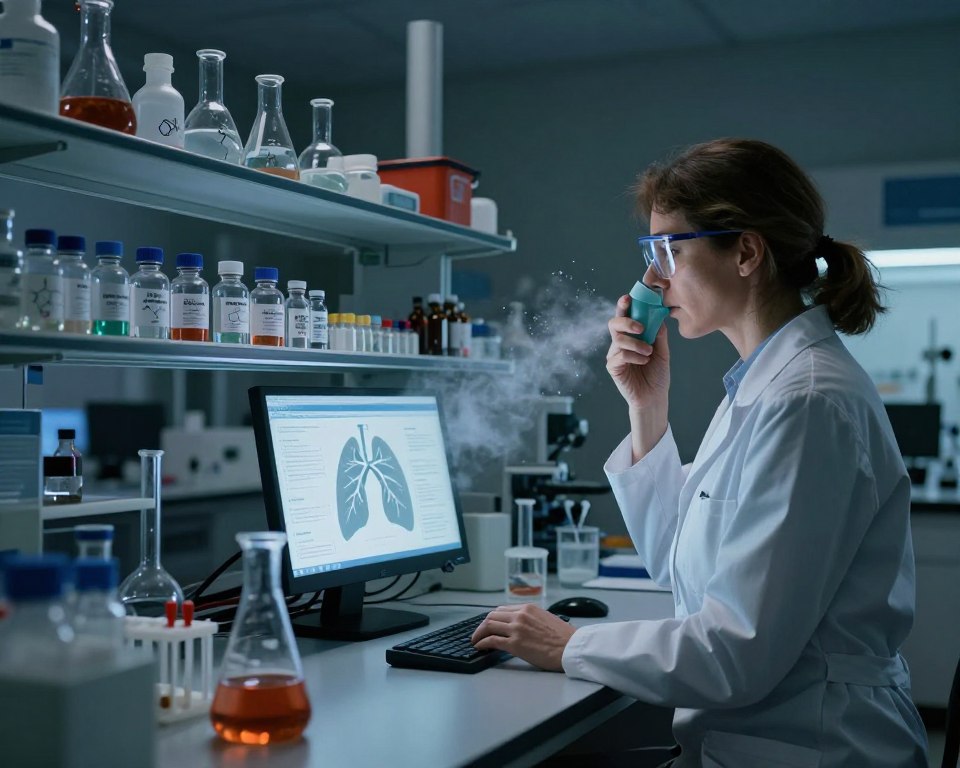
Acute reactions to fabric softeners happen right away. But, the long-term effects of breathing them in every day need careful thought. As a pharmacist, I see how the lungs can react to chemicals in household items. These chemicals can cause long-lasting irritation in the airways, even if you don’t notice it.
Impact on Pre-existing Asthma Conditions
People with asthma or sensitive airways face big challenges with laundry chemicals. Breathing in these chemicals over time can cause sustained airway inflammation. This makes it harder to control asthma symptoms.
Here are signs your laundry might be harming your lungs:
- Increased nighttime coughing or wheezing.
- More frequent use of rescue inhalers after laundry.
- Tightness in the chest when folding soft linens.
- Being more sensitive to dust or pollen.
Potential for Occupational Exposure in Laundry Facilities
Long-term breathing in chemicals is a big risk in work settings. Studies show that workers in healthcare and laundry face a higher risk of new-onset asthma. They often work with strong chemicals in places with little air.
Even at home, the chemicals in laundry are a concern over time. Watching your breathing health is key if you do laundry for years. If you feel your breathing getting worse, it’s time to check the chemicals you use. Look for safer, less harmful options.
Regulatory Landscape for Fabric Softener Ingredients in the United States
The rules for fabric softener ingredients in the U.S. mix federal laws with industry rules. Many think all household items are tested for safety, but it’s not always true. Knowing these rules helps people keep their air clean and avoid harmful chemicals.
Environmental Protection Agency Oversight
The Environmental Protection Agency (EPA) watches over chemicals that kill germs. Many fabric softeners use these chemicals, so they’re checked under the Federal Insecticide, Fungicide, and Rodenticide Act (FIFRA). This law makes sure these products work well and are safe.
But, the EPA can’t check everything. If a chemical is just for softening or to stop static, it might not get as much attention. For more on this, check out this fact sheet on quaternary ammonium. Knowing this is important because it affects how safe a chemical is before we buy it.
Labeling Requirements and Consumer Transparency
It’s hard for people to know what’s in their products. Companies don’t always list every chemical on the label. This is because some are kept secret or are in small amounts.
This makes it tough to know if a fabric softener ingredient might cause breathing problems. Some companies share more info, but there’s no law that says they have to. So, people have to do their own research to make smart choices.
Evaluating the Safety Profile of Cationic Surfactants
Cationic surfactants are everywhere in our laundry today. But, their safety over time is a big question. These chemicals make our clothes feel soft by getting rid of static. Yet, we need to really look at how they affect our bodies.

Toxicological Studies on Ammonium Quaternary Compounds
Scientists are studying ammonium quaternary compounds to see if they’re safe. These chemicals make clothes soft, but animal studies show some bad news. For example, mice exposed to certain chemicals in this group had lower fertility.
This shows we need to think about more than just how well a product works. Even though we don’t use as much as in lab tests, it’s a warning. Knowing this helps us choose safer products for our homes.
Safety Data Sheets and Manufacturer Disclosures
Looking at the Safety Data Sheet (SDS) is a good first step to understand laundry safety. These sheets tell us about the dangers of chemicals, how to handle them, and more. But, how much info we get can really vary.
It’s key for companies to be open about what’s in their products. When you look at an SDS, check for info on breathing problems and body harm. Here’s a table to help you understand these chemicals better.
| Feature | Cationic Surfactants | Safety Consideration |
|---|---|---|
| Primary Function | Fabric Softening | Surface interaction |
| Chemical Class | Ammonium quaternary compounds | Potential irritant |
| Data Availability | Manufacturer SDS | High transparency needed |
| Health Focus | Respiratory/Systemic | Monitor for sensitivity |
The Intersection of Fragrance and Respiratory Health
Modern laundry rooms have a complex chemical mix. People often pick fabric care products based on smell, thinking it means they’re clean. But, the chemicals that make things smell can mix with other ingredients in ways that might bother your breathing.
Synergistic Effects of Fragrances and QACs
Quaternary ammonium compounds (QACs) make clothes soft. But, they’re usually mixed with fragrances for a better smell. This mix can change how the fragrance smells in the air.
As a pharmacist, I’ve seen that these mixes can be harsher than each part alone. The mix might make airways more inflamed in some people. Going for fabric care products without scent is a smart move to avoid these issues.
Sensitization Risks in Indoor Environments
Using scented laundry can really affect indoor air. In places with little air flow, smells from drying can build up fast. This can make breathing problems worse over time.
Good air flow is key when using fabric care products with scents. It helps keep the air clean and reduces irritation. Here’s a table showing common irritants in laundry products.
| Ingredient Category | Primary Function | Respiratory Impact |
|---|---|---|
| Quaternary Ammonium Salts | Fiber Softening | Potential Airway Irritant |
| Synthetic Fragrances | Aromatic Enhancement | Common Sensitization Trigger |
| Volatile Solvents | Carrier Agent | Mucous Membrane Irritation |
| Preservatives | Shelf-life Stability | Potential Allergic Response |
Best Practices for Reducing Exposure in the Home
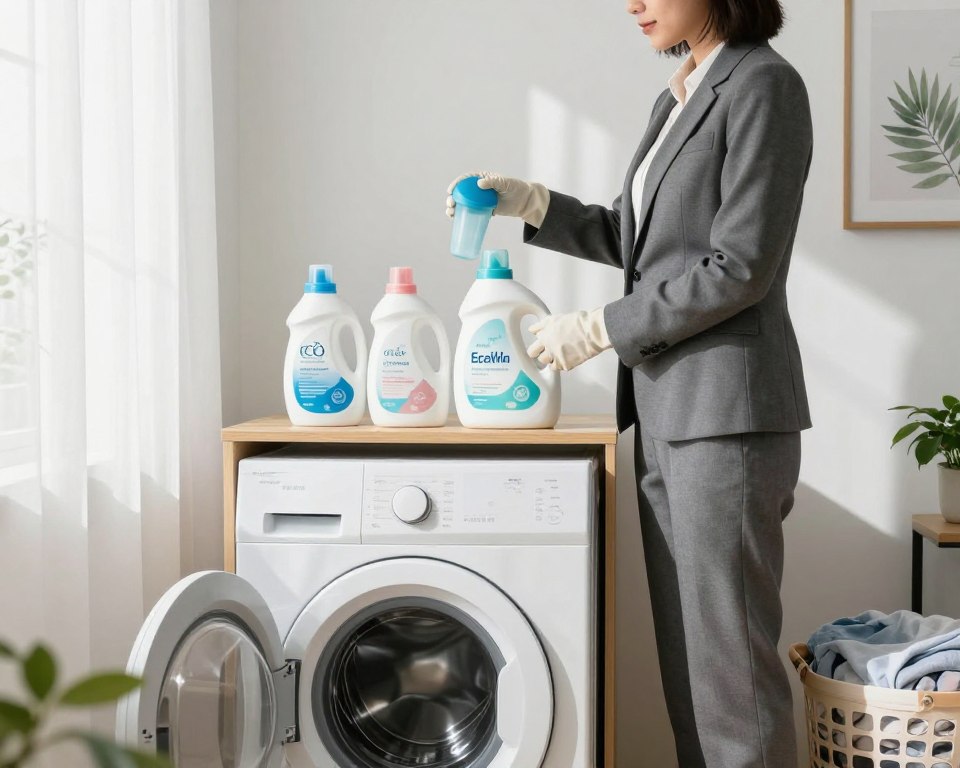
To make your home safer, start by managing the chemicals in US laundry care. Making small changes every day can greatly reduce harmful particles. Focus on how you use products and how air moves to keep your home safe.
Ventilation Strategies for Laundry Rooms
Good airflow is key to keeping your home clean. If your laundry room has an exhaust fan, turn it on while washing and drying. This helps remove harmful gases outside instead of letting them stay in your home.
If you don’t have a fan, open a window or door. This lets fresh air in and helps dilute harmful particles. Also, keep the laundry room door closed to stop particles from spreading to other rooms.
“The quality of the air we breathe indoors is directly influenced by the maintenance of our household appliances and the careful selection of the products we use within those spaces.”
Proper Handling and Dosage of Fabric Softeners
Using too much fabric softener can increase chemical exposure. Always follow the recommended amount on the label. Using too much can cause more particles to be released when clothes are moved or dried.
When adding liquid softeners, pour slowly to avoid splashes. If you spill, clean it up right away with a damp cloth. This way, you keep your home cleaner and safer for your family.
Alternative Fabric Care Solutions
More households are looking to reduce their use of synthetic surfactants in laundry. They are turning away from traditional fabric softener technology for better health and the environment. This change helps keep clothes soft without the risks of chemical residues.
Plant-Based Softening Agents
Natural alternatives use plant-based ingredients for softening fabrics. These textile softening agents condition fibers with organic compounds, not synthetic chemicals. Everyday items can be great, low-toxicity substitutes for commercial softeners.
- Distilled White Vinegar: It’s a natural fabric conditioner that removes soap residue, making clothes softer.
- Baking Soda: It’s a mild mineral-based softener that balances the wash cycle’s pH levels.
- Essential Oils: They add a natural scent without the irritation of synthetic fragrances.
Mechanical Softening Techniques
Mechanical methods are also effective for softening fabrics. They use physical movement in the dryer to fluff clothes. This approach replaces the need for chemical-based fabric softener technology.
“Mechanical agitation through the use of wool dryer balls provides a sustainable, chemical-free alternative that reduces drying time and softens textiles naturally.”
Wool dryer balls are a favorite for avoiding synthetic textile softening agents. They move between clothes layers, improving airflow and preventing static. This simple, reusable method is a big step toward healthier laundry practices.
Vulnerable Populations and Respiratory Vulnerability
Protecting vulnerable groups means understanding how fabric softeners affect their bodies. While many adults can handle regular laundry products, some groups are at higher risk. As a pharmacist, I stress the importance of avoiding extra chemicals to keep their lungs healthy.

Risks for Children and Infants
Children and babies are very sensitive to chemicals because their lungs are developing. Their airways are smaller and can get easily irritated by particles from laundry. Also, babies have a bigger surface area compared to their body size, which means they can absorb more chemicals from clothes and bedding.
Parents need to watch what laundry products they use for their babies. Young kids are often in close contact with fabrics, increasing their risk of dermal and inhalation exposure. Using fragrance-free, hypoallergenic products can help protect their developing lungs.
Considerations for the Elderly and Immunocompromised
The elderly and those with weak immune systems have a harder time getting rid of inhaled substances. Their aging lungs may not be as flexible, making them more sensitive to chemicals in fabric softeners. Even small amounts of exposure can cause persistent respiratory discomfort or make existing health problems worse.
People with weakened immune systems face even bigger challenges. Their bodies may not be able to fight off environmental irritants well. It’s clinically wise to avoid synthetic softeners in homes where people have weak immune systems. Using mechanical softening methods can help create a safer environment for them.
Analyzing Scientific Literature on Fabric Softener Safety
Studying household chemicals is a fast-growing field that needs careful study. As people learn more about indoor air quality, they’re looking closer at ammonium quaternary compounds in laundry. Researchers aim to link stories of breathing problems to solid scientific evidence.
Reviewing Peer-Reviewed Respiratory Studies
New studies have given us important insights into these substances. They show that ammonium quaternary compounds can block cholesterol making in certain cells. This means their effect on human tissue might be more complex than we thought.
Many studies focus on their ability to kill germs, but their impact on breathing is a big worry for scientists. Knowing why to avoid liquid fabric softener comes from these findings about breathing problems. Experts say that regular exposure to these particles can cause inflammation in some people.
“The challenge in evaluating household surfactants lies in the cumulative nature of low-level exposure, which often escapes the parameters of short-term clinical trials.”
Gaps in Current Research and Future Directions
Even with progress, we don’t fully understand the risks of breathing in these chemicals over time. Most studies are done in labs, which might not match real homes. We need more long-term studies to see if ammonium quaternary compounds lead to long-term breathing problems.
Scientists also want more openness about the secret scents in these products. Standardizing tests could help us make better health policies. Here’s a summary of what we know and don’t know about these chemicals.
| Research Area | Current Evidence | Knowledge Gap |
|---|---|---|
| Cellular Impact | Cholesterol inhibition noted | Long-term systemic effects |
| Respiratory Risk | Acute irritation documented | Chronic exposure thresholds |
| Ammonium quaternary compounds | High antimicrobial activity | Synergistic toxicity with fragrances |
Consumer Advocacy and Ingredient Transparency
Consumers have a big say in making laundry products safer. When people choose health and safety over convenience, they send a strong message. Collective action pushes companies to be open about what’s in their products.

Demanding Clearer Labeling from Manufacturers
Many laundry items use vague terms like “fragrance” or “surfactants.” This makes it hard to know if they might irritate your lungs. Full ingredient disclosure is what advocates want for all laundry products in the U.S.
You can help by reaching out to companies through their customer service. Ask them about the chemicals in fabric softeners. When lots of people ask, brands often change their labels to keep customers happy.
The Role of Third-Party Certifications
Third-party certifications are a big help for those who want to avoid harmful stuff. These groups check if products are safe and eco-friendly. By picking products with these seals, you support companies that care more about safety than making money.
These certifications are a quick way for busy people to know if a product is safe. They help keep your home air clean. Here’s how different levels of transparency and certification help you make better choices.
| Certification Level | Transparency Standard | Consumer Benefit |
|---|---|---|
| Basic Labeling | Minimal (Legal Minimum) | Low; requires personal research |
| Voluntary Disclosure | Moderate (Partial List) | Medium; better awareness |
| Third-Party Certified | High (Verified Safety) | High; expert-backed assurance |
| Full Ingredient List | Complete (100% Disclosure) | Maximum; total informed control |
Navigating Product Choices for Sensitive Airways
Understanding fabric softener ingredients is key to a safer home. The laundry aisle can be overwhelming. But, learning to read labels is a powerful way to protect your health.
Focus on the actual chemicals, not just what the label says. This helps you choose products that meet your health needs.
How to Read Laundry Product Labels
When you look at a bottle, ignore claims of “freshness” or “softness.” Instead, check the ingredient list for quaternary ammonium compounds. These chemicals have long names like distearyldimonium chloride.
If you’re sensitive to chemicals, choose products that list all their ingredients. Transparency is a hallmark of quality. Look for safety data sheets from manufacturers. Avoid vague terms like “surfactant blend” or “fragrance,” as they often hide harmful chemicals.
“The most effective way to reduce chemical exposure is to become an active participant in your own health by questioning what enters your home.”
Identifying Safer Alternatives for Daily Use
Choosing safer fabric softener ingredients means opting for plant-based or mineral options. These use citric acid or vegetable softeners, not synthetic chemicals. Make sure they don’t have synthetic dyes or heavy perfumes.
For very sensitive airways, try mechanical softening. Use wool dryer balls or use softener less often. Prioritizing fragrance-free options is also key, as they avoid the dangers of surfactants and synthetic scents.
Conclusion
Managing the chemical footprint of your home is key. Quaternary ammonium compounds are used in fabric softeners. But, they can affect indoor air quality. You can reduce respiratory risks by knowing what’s in your laundry products.
It’s important to ask for clear ingredient labels. Brands like Seventh Generation and Ecover are good examples. They help you avoid harmful chemicals. By checking labels, you can choose products that are safe for your family.
Improving air flow during laundry helps keep you safe. You can also use mechanical softeners or plant-based options. These choices make your home a healthier place.
Keep an eye on how your body reacts to laundry products. Making small changes can greatly improve your health. By being informed, you can make your home a safer space for everyone.
FAQ
Are quaternized ammonium compounds found in all US laundry care products?
No, they are not in every product. Most liquid softeners and dryer sheets use them. But, “Free & Clear” or plant-based options use different softeners.
Can ammonium quaternary compounds trigger an asthma attack?
Yes, they can. For people with sensitive airways, these compounds can cause irritation. This can lead to coughing or bronchospasm.
How can I identify these chemicals on a product label?
Look for ingredients ending in “-monium chloride” or “-monium methosulfate.” Common names include benzalkonium chloride or cetrimonium chloride. Checking the Safety Data Sheet (SDS) is the best way to be sure.
Do wool dryer balls really work as a replacement for fabric softener technology?
Yes, they do. Wool dryer balls soften clothes by reducing static and improving air flow. They work without using synthetic chemicals.
Is the EPA responsible for the safety of my laundry room air?
The EPA regulates certain chemicals, like those with antimicrobial claims. But, they don’t control indoor air quality in homes. It’s up to you to ensure good ventilation and choose safe products.
Why are fragrances often mixed with these surfactants?
Fragrances are added to make products more appealing. But, mixing them with quaternized ammonium compounds can make things worse. Both can irritate the airways in closed spaces.