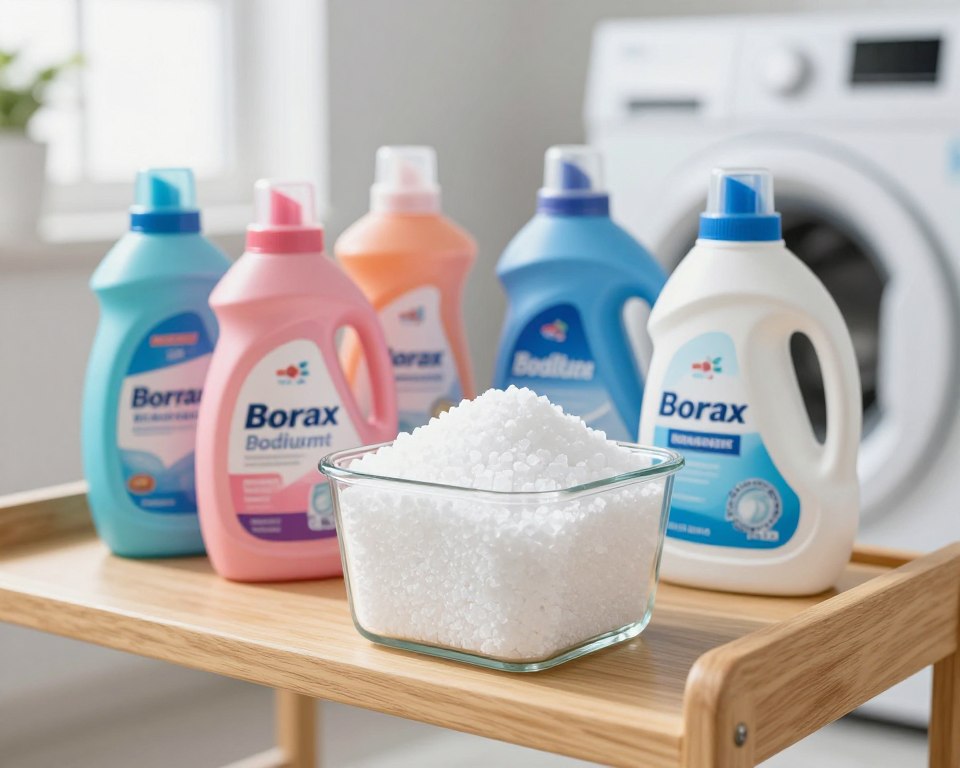
Did you know that nearly 70% of households in the United States keep at least one mineral-based cleaning agent under their kitchen sink? Many people use these products to brighten whites or remove stubborn stains. But, the safety of borax and sodium borate is a topic of much debate. It’s important to know if they are safe for our homes.
This article looks into whether these compounds are safe and effective cleaning aids. We’ll explore if they pose health risks, like reproductive hazards and skin irritation. By understanding their chemical makeup, we aim to give you a clear view of their role in your daily life.
Key Takeaways
- Borax is a naturally occurring mineral often used to enhance the cleaning power of standard detergents.
- Exposure to this substance can lead to skin, eye, and respiratory irritation if handled improperly.
- Clinical studies have raised concerns regarding the long-term effects on male reproductive health.
- Safety protocols, such as wearing gloves and ensuring proper ventilation, are critical when using these products.
- Natural alternatives like baking soda or vinegar offer effective cleaning results without the same toxicity profile.
The Chemistry of Borax and Sodium Borate
Borax and sodium borate are common names, but many people don’t know what they are. They are found in cleaning products, but how they work depends on their chemical makeup. To understand their uses, we need to look at their molecular structure.
Defining Sodium Tetraborate Decahydrate
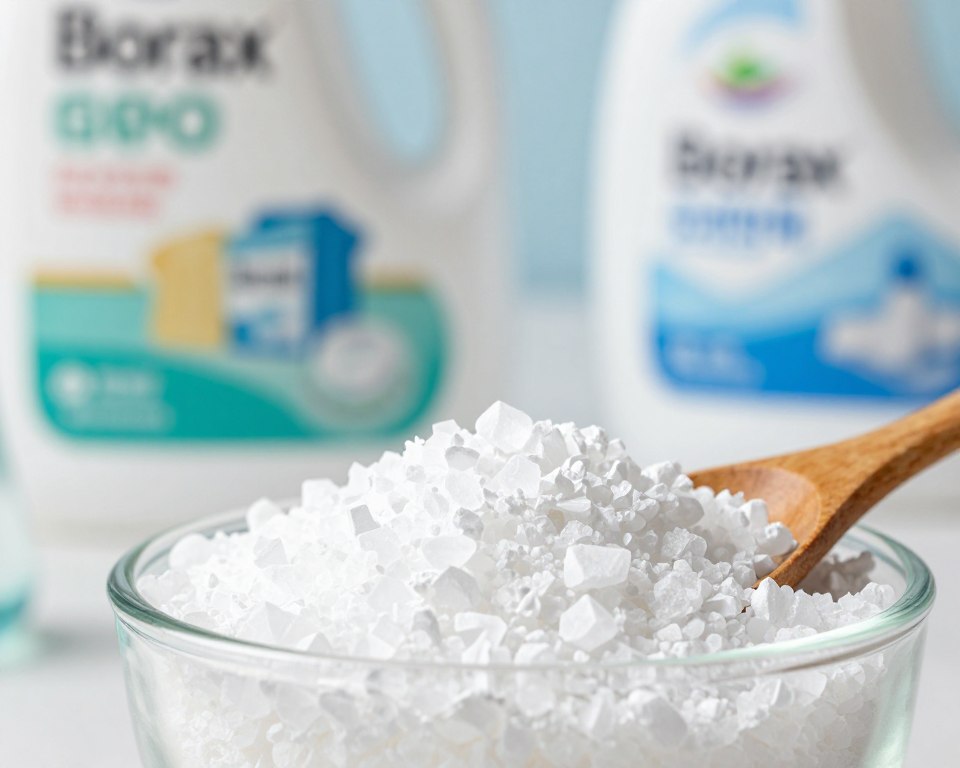
The stuff called borax is actually sodium tetraborate decahydrate. Its formula, Na2B4O7·10H2O, shows it has ten water molecules. It’s a naturally occurring mineral, appearing as a white, odorless powder.
When mixed with water, it makes a solution that’s alkaline. This alkalinity helps laundry detergents work better. It’s a key reason for its borax and sodium borate uses.
Distinguishing Between Borax and Boric Acid
It’s important to know the difference between borax and boric acid. They are both borate compounds but have different chemical makeup and toxicity. Boric acid is more acidic and concentrated than borax.
Borax is used as a mild cleaner, while boric acid is used in industrial or pest control settings. Their chemical reactions are different, affecting their safety. It’s important not to mix them up, as their borax and sodium borate uses are specific to their chemical properties.
Understanding Borax and Sodium Borate in American Laundry Boosters
To grasp the role of Borax and Sodium Borate in American Laundry Boosters, we must explore modern cleaning science. These minerals are key in making detergents work better. They change the water, helping surfactants clean various fabrics more effectively.
Common Commercial Formulations in the US Market
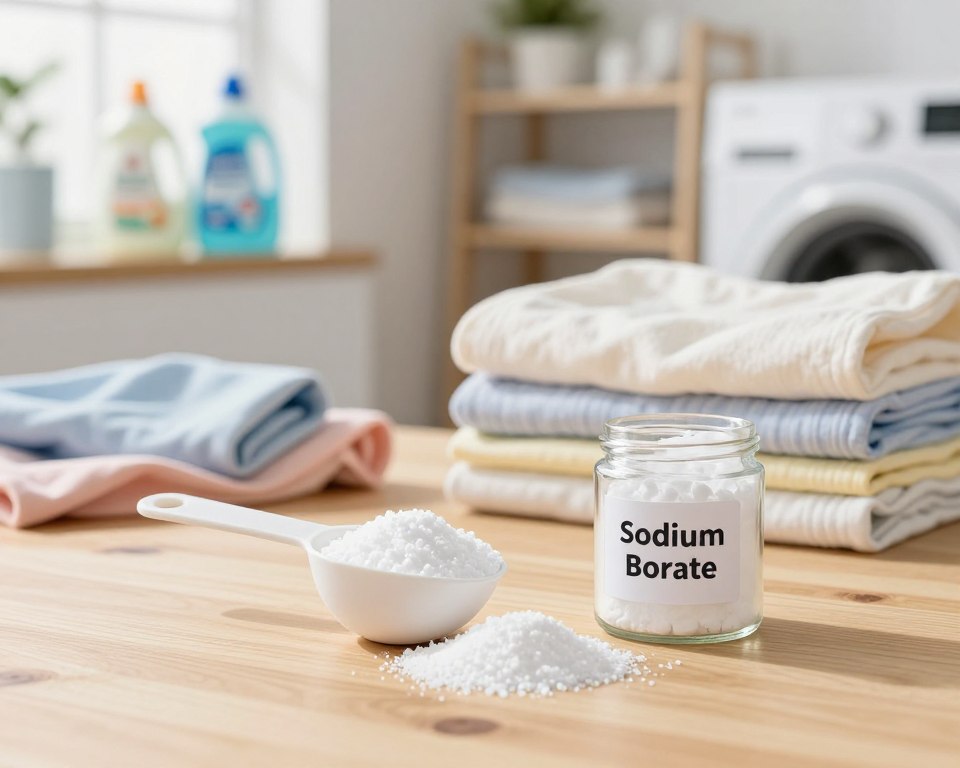
In the US, people often find these minerals in laundry products. A borax laundry booster is usually a concentrated powder. It’s added to the wash drum and is great for hard water.
A sodium borate laundry additive is also common. It’s in many cleaning solutions to keep the product stable. This is why it’s a key item in many American homes.
The Role of pH Buffering in Cleaning
The main benefit of these minerals is their pH buffering. They keep the water alkaline, fighting off acidic soils. This stops dirt from sticking to clean clothes.
This buffering also boosts the cleaning power of detergents. When the pH is right, detergents can get into fibers better. This helps remove tough stains. Below is a comparison of these additives with other laundry enhancers.
| Additive Type | Primary Function | pH Impact | Best Use Case |
|---|---|---|---|
| Borax/Sodium Borate | Water Softening | Alkaline Buffer | Hard water areas |
| Baking Soda | Deodorizing | Mild Buffer | General freshening |
| Oxygen Bleach | Whitening | Neutral/Oxidizing | Stain removal |
| Citric Acid | Descaling | Acidic | Mineral buildup |
Knowing how to use borax and sodium borate helps households improve their laundry. It’s about finding the right balance between cleaning and chemical knowledge. This way, clothes last longer and look better.
Historical Context of Borax in American Households
Borax’s journey from a desert mineral to a common cleaning agent is significant. It has been a key part of American homes for generations. Its success is due to its properties and effective branding.
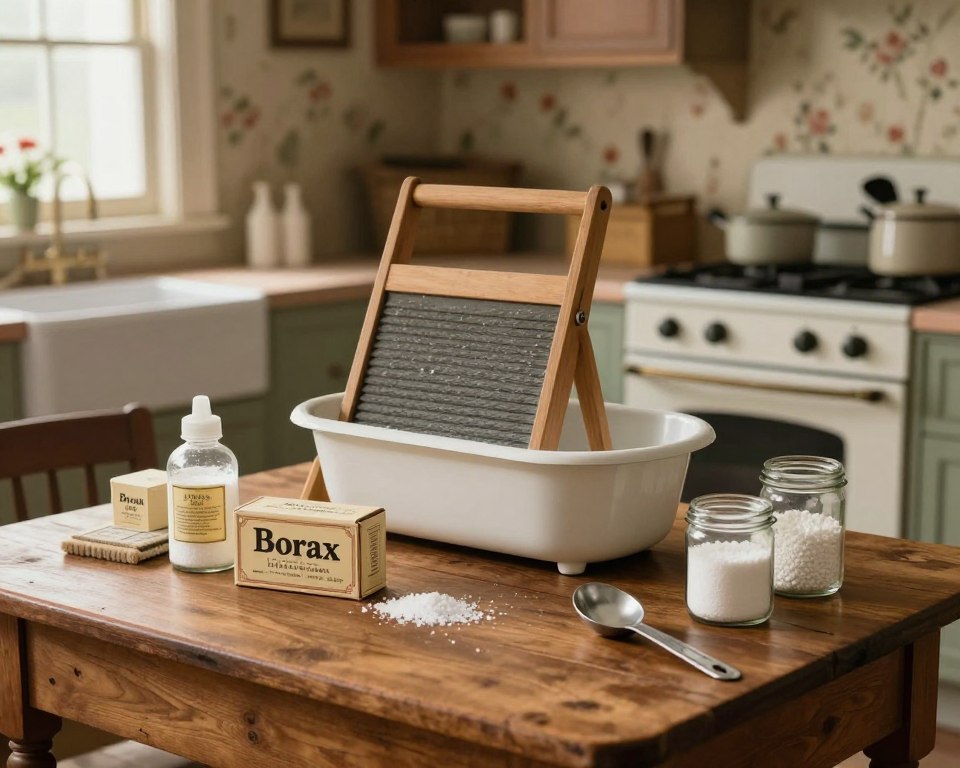
The Rise of 20 Mule Team Borax
The 20 Mule Team brand made borax a household name. By the late 1800s, the Pacific Coast Borax Company made it a necessary household staple. They highlighted its purity and versatility.
This effort built lasting trust with consumers. Even with new products, many stick to traditional uses of borax for laundry. The image of mule teams in Death Valley became a symbol of American strength and reliability.
“The home is the primary laboratory of the nation, where the tools of industry are refined into the daily habits of the family.”
Evolution of Laundry Practices in the 20th Century
Laundry practices changed a lot in the 20th century. From manual to mechanized, it became easier. Borax was key as a water softener, making harsh soaps work better.
With washing machines, laundry became faster and easier. People wanted quick and effective cleaning. Mineral-based boosters, like borax, remained popular for better cleaning results.
| Era | Primary Laundry Method | Role of Borax |
|---|---|---|
| 1890-1920 | Washboard and hand scrubbing | Water softening and soap enhancement |
| 1920-1960 | Wringer washers | Stain removal and whitening aid |
| 1960-Present | Automatic machines | pH buffering and odor control |
Consumer habits change with new tools. The trust in mineral additives, like borax, is a big part of American cleaning. Knowing this history helps us understand its role today.
How Borax Functions as a Laundry Additive
Knowing how a borax laundry booster works shows why it’s a favorite in many homes. It acts as a chemical buffer, making the wash environment better for cleaning. This helps standard detergents work better on tough stains.
Water Softening Mechanisms
Hard water has too much calcium and magnesium, which can mess with soap’s effectiveness. Adding a sodium borate laundry additive helps by removing these minerals. This keeps the soap working well to clean clothes.
This softening also stops soap scum from forming on clothes. It’s a big borax and sodium borate benefit for those with hard water. Clothes come out brighter and softer.
Stain Removal and Deodorizing Properties
Beyond softening water, it also acts as a pH buffer. This keeps the wash water alkaline, which is key for removing acidic stains. It helps get rid of tough stains that regular detergents can’t handle.
It also has strong deodorizing properties. It neutralizes smells, making clothes fresh without using strong fragrances. Many people find it helps get rid of bad smells in sports clothes and towels.
| Feature | Standard Detergent | Detergent + Borax |
|---|---|---|
| Hard Water Handling | Limited | High |
| pH Balancing | Moderate | Excellent |
| Odor Neutralization | Surface Level | Deep Penetration |
| Stain Removal | Standard | Enhanced |
Evaluating the Reproductive Hazard Claims
It’s key to know the difference between lab tests and how we use things at home. People worry about borate safety because they don’t understand how it works in our bodies.
Reviewing Toxicological Studies on Borates
Scientists have tested borates on animals to see if they’re harmful. They give the animals a lot of boron to see how it affects them.
These studies help find out if borates could harm reproduction. But, they might not show what happens in our homes. Animals and humans can react differently to substances.

Understanding the Dose-Response Relationship
The rule in toxicology is that the dose makes the poison. This means almost any substance can be dangerous if we have too much of it. But, it’s safe at lower amounts.
Our bodies can handle small amounts of boron. Knowing how much is safe is important. It shows that just having a chemical doesn’t mean it’s harmful.
Distinguishing Occupational Exposure from Domestic Use
Workers in factories are exposed to much more borate than we are at home. They breathe in or touch borate dust for years.
But, at home, we use borate in small amounts. Most household applications don’t cause the problems seen in lab tests. Looking at how we actually use things helps us understand our own risks.
Regulatory Stance and Safety Standards in the United States
Understanding the rules for laundry additives is key in the U.S. Agencies work together to make sure household chemicals are safe. They check these products before they hit the market. This process involves watching the environment and testing products directly.

Environmental Protection Agency (EPA) Classifications
The Environmental Protection Agency (EPA) is important for checking laundry boosters. They look at how these chemicals affect the environment, like sodium tetraborate in water. The EPA uses data to see how these minerals stay in nature.
The EPA doesn’t control how well laundry detergents clean. But, they watch the safety of the chemicals in these products. Companies must report if their products could harm water quality. This helps keep the environmental impact of cleaning products low.
Consumer Product Safety Commission (CPSC) Guidelines
The Consumer Product Safety Commission (CPSC) focuses on how products affect people. They stress the need for clear labeling and avoiding accidents. Because borax is a powder, the CPSC has rules for packaging to keep kids and pets safe.
These rules make sure products with borates have warnings for risks. This helps people choose safer products for their homes. Below is a table showing how these agencies keep standards high.
| Regulatory Body | Primary Focus | Key Responsibility |
|---|---|---|
| EPA | Environmental Health | Monitoring water quality and chemical persistence. |
| CPSC | Consumer Safety | Regulating product labeling and packaging standards. |
| FDA | Public Health | Overseeing ingredients in personal care products. |
Exposure Pathways During Laundry Tasks
Understanding how you might get exposed to powdered laundry boosters is key to keeping your home safe. These products are meant to clean but have strong minerals that need careful handling. Knowing how these substances affect your body helps you avoid unnecessary contact.
Inhalation Risks During Powder Handling
When you pour powdered laundry additives, fine particles can become airborne. Inhaling these dust particles can irritate your respiratory tract. This is a big concern when you move the powder from a big container to a measuring cup or directly into the washing machine.
To lower this risk, pour the powder slowly and keep the container near the water or detergent dispenser. Avoiding rapid movements that stir up dust helps keep the air clean. If you’re sensitive to the air, wearing a basic face mask can help.
Dermal Absorption and Skin Sensitivity
Touching your skin to the powder is another way to get exposed, mainly if the powder stays on your hands after measuring. While borates don’t soak through skin quickly, long or repeated contact can cause dryness, redness, or skin irritation. People with sensitive skin or existing skin conditions might feel irritation sooner.
“The most effective way to prevent chemical irritation is to minimize direct contact and ensure that hands are thoroughly washed after handling any concentrated cleaning product.”
Protecting your skin is easy by washing your hands right after you finish loading the laundry. If you don’t want to touch the powder, using a scoop or gloves is a good idea. Below is a table with steps to reduce exposure during laundry.
| Action | Primary Risk | Safety Strategy |
|---|---|---|
| Measuring Powder | Inhalation of dust | Pour slowly near water |
| Loading Machine | Dermal contact | Use a scoop or gloves |
| Post-Handling | Residual transfer | Wash hands thoroughly |
| Storage | Accidental spills | Seal containers tightly |
Comparing Borax to Modern Eco-Friendly Laundry Enhancers
Borax is a common choice in many homes, but now there are many eco-friendly laundry enhancers available. These new options are made for different cleaning needs. It’s important to know how they work with fabrics and stains. To make a good choice, compare borax vs washing soda and see which one is best for you.
Enzyme-Based Boosters vs. Mineral Additives
Mineral additives like borax change the wash water’s pH and soften hard water. This makes detergents work better on many types of stains. On the other hand, enzyme-based boosters use biological catalysts to break down specific stains like proteins and fats.
These enzymes target specific stains, not just general water conditioning. Many people find that natural laundry boosters based on enzymes work better on food stains. But, they need specific water temperatures to work well during washing.
Oxygen Bleach and Sodium Percarbonate Alternatives
Sodium percarbonate, or oxygen bleach, is a strong alternative for whitening clothes. It releases hydrogen peroxide, which gently bleaches stains. It’s safer for many colored fabrics and is often used in eco-friendly laundry enhancers.
Borax is good for deodorizing and keeping pH balanced, but it can’t whiten as well as sodium percarbonate. For those who want both safety and bright clothes, oxygen bleach is a good choice. Always follow the manufacturer’s instructions to use these products safely and correctly.
Identifying Safer Alternatives for Stain Removal and Whitening
Changing your home to be less toxic starts with looking at laundry products. Many families now choose eco-friendly laundry enhancers for their cleaning power without health risks. Using simple ingredients, you can keep your home clean and safe from synthetic chemicals.
Using Baking Soda for pH Balancing
Sodium bicarbonate, or baking soda, is great for laundry. It balances pH, getting rid of acidic smells and softening water. This helps your detergent work better on dirty clothes.
It also acts as a mild scrub, helping to remove stains. This makes it a top choice for those who want a gentle, safe way to clean clothes. It’s perfect for making towels and linens smell fresh again.
The Efficacy of Citric Acid and Vinegar
Citric acid and white vinegar are strong borax cleaner alternatives. Citric acid pulls minerals out of hard water, keeping clothes bright. It stops minerals from making clothes gray.
White vinegar is great for softening fabrics and removing detergent residue. It dissolves soap scum and minerals left by regular detergents. Used in the rinse cycle, it makes clothes soft and clean, good for sensitive skin.
| Alternative | Primary Function | Best Use Case |
|---|---|---|
| Baking Soda | pH Balancing | Deodorizing and softening |
| Citric Acid | Chelating Agent | Whitening and mineral removal |
| White Vinegar | Residue Dissolver | Fabric softening and rinsing |
Best Practices for Handling Borax Safely
If you use mineral-based boosters, it’s key to follow strict safety rules. Many homes use these products for cleaning. But knowing is borax toxic helps keep your home safe. This way, you can keep your home clean without risking your family’s or pets’ health.
Storage Requirements for Child Safety
To avoid accidents, treat laundry additives as dangerous. Store them in a high, locked cabinet. This keeps them out of reach of kids and pets.
It’s very important to keep the product in its original packaging. This way, you can always see the safety warnings and instructions. Never put the powder in unmarked jars or food containers. This is a big risk of accidental eating.
Protective Measures During Application
When you’re measuring or pouring, try to avoid breathing in dust. Gently scoop the powder to prevent dust from flying up.
Wearing gloves is a good idea, if you have sensitive skin or dermatitis. After you’re done, wash your hands well with soap and water. These habits help keep you safe while cleaning.
| Safety Action | Primary Benefit | Frequency |
|---|---|---|
| Store in locked cabinets | Prevents child access | Always |
| Use original containers | Maintains clear labeling | Always |
| Wear protective gloves | Reduces skin irritation | During handling |
| Wash hands thoroughly | Removes chemical residue | After every use |
Impact of Borax on Septic Systems and Water Quality
Choosing laundry products wisely is key to keeping your septic system and water safe. It’s not just about how well they clean. The chemicals in your detergents can harm your plumbing and water supply. Knowing this helps you make better choices for your home.
Biodegradability and Environmental Persistence
Borax is a natural mineral, but it’s not biodegradable like organic waste. Unlike plant-based cleaners, borates don’t break down quickly. They stay in the system longer.
This can cause problems in septic systems over time. Environmental persistence is a big issue for those with septic systems. Too much mineral buildup can upset the balance needed for waste breakdown.
Concerns Regarding Groundwater Contamination
Boron in soil is a major concern for groundwater. When wastewater goes into a drain field, borates can move through the soil. This is more of a problem in areas with high water tables or sandy soil.
While normal use is usually safe, too much can harm local water sources. This is a big worry for those on private wells. Looking into borax cleaner alternatives can help reduce these risks.
| Additive Type | Biodegradability | Septic Impact | Environmental Risk |
|---|---|---|---|
| Borax | None (Inorganic) | Low to Moderate | Potential Accumulation |
| Baking Soda | High | Minimal | Negligible |
| Citric Acid | High | Minimal | Negligible |
| Synthetic Surfactants | Variable | Moderate | Varies by Compound |
It’s important to find a balance between cleaning power and environmental care. By watching how much mineral additives you use, you can protect your septic system. If unsure, using borax cleaner alternatives is a safer choice for your laundry and water quality.
Navigating Marketing Claims of Natural Laundry Boosters
The market today is full of products labeled as natural. But these labels often don’t tell the whole story. Many natural laundry boosters claim to clean better without harsh chemicals. Yet, the lack of clear rules for “natural” or “eco-friendly” makes it hard for shoppers to know what’s safe.
Greenwashing in the Cleaning Product Industry
Greenwashing happens when companies make vague claims about their products being better for the environment. They use green images to make their products seem safe. But, these green cleaning products might actually have chemicals that are not safe.
It’s key to doubt big marketing claims without third-party proof. Many makers focus on one safe ingredient while hiding others. Critical thinking helps you see through these tricks in stores.
Interpreting Ingredient Labels on Laundry Additives
Looking closely at what’s in the product is the only way to avoid false promises. Look for detailed ingredient lists, not just what’s on the front. Terms like “fragrance” or “cleaning agents” usually hide a mix of chemicals that could cause problems.
When choosing between products, like Gain Flings vs Arm & Hammer, check the chemicals listed. Transparency in labels shows a brand cares about safety. Choose products that clearly list their chemicals so you can decide based on your family’s health needs.
Balancing Cleaning Efficacy with Personal Health Priorities
Finding the right laundry routine is about balancing health and stain removal. Many like the borax and sodium borate benefits for whitening and softening water. But, others might want to avoid chemicals. Every home is different, with its own needs and sensitivities.
Assessing Individual Risk Tolerance
Risk tolerance varies a lot between families. Homes with kids, pets, or sensitive skin often choose safer chemicals. Knowing your comfort level with certain substances is key to a good cleaning plan.
Think about how often you use strong powders and if you have safe storage. If the risks seem too high, it’s time to look for other options. Weighing these factors helps decide if the effort is worth it.
Making Informed Decisions for Your Household
Choosing to avoid traditional additives opens up many laundry detergent alternatives. Many find that using plant-based surfactants and mechanical agitation works well for everyday cleaning. Switching to green cleaning products doesn’t mean you’re giving up on cleanliness or the life of your clothes.
The table below shows how different cleaning methods stack up based on common household needs:
| Cleaning Strategy | Efficacy Level | Safety Profile | Best Use Case |
|---|---|---|---|
| Traditional Borates | High | Moderate | Heavy-duty stain removal |
| Oxygen Bleach | High | High | Whitening and brightening |
| Baking Soda | Moderate | Very High | Deodorizing and pH balance |
| Enzyme Boosters | High | High | Biological stain breakdown |
The best choice is one that fits your household’s health goals and cleaning standards. By staying informed and trying different methods, you can keep your home clean and feel safe about the products you use.
Conclusion
Choosing the right laundry boosters is key. You need to balance how well they clean and how safe they are for your home. Borax is popular, but it’s important to use it carefully.
Knowing what Borax is helps you use it safely. It’s a strong cleaner, but you must handle it right. This keeps your home clean and your family safe.
Don’t see Borax as a total risk or a complete safe choice. It’s somewhere in between. Make sure it’s kept away from kids and pets to avoid accidents.
Some people switch between Borax and other cleaners. This way, they don’t rely too much on one thing. You can adjust your laundry to fit your health and environmental goals.
Check your cleaning supplies to see if they’re okay for you. Making smart choices means a safer home and cleaner clothes. Always look for clear labels on products.
FAQ
Is borax the same chemical compound as boric acid?
No, they are not the same. Borax and boric acid both have boron, but they are different. Borax is a salt of boric acid. People often get them mixed up, but they are used differently.
Borax is used in laundry and has a higher pH. It’s safer for home use than boric acid, which is used as a pesticide. Knowing the difference is important for safe use at home.
What are the primary borax and sodium borate benefits in a standard wash cycle?
Borax and sodium borate help keep the water alkaline. This neutralizes odors and acidic soils. They also soften water, making it easier for detergent to clean clothes.
Are there genuine reproductive hazard risks associated with using a borax laundry booster?
Some studies show risks at high doses or in work settings. But for home use, the risks are low. Just be careful not to breathe in dust and wash your hands well if you touch it.
How does borax compare to other eco-friendly laundry enhancers like oxygen bleach?
Borax and oxygen bleach are both natural, but they work differently. Oxygen bleach uses hydrogen peroxide to remove stains. Borax helps with water softening and pH balance.
Choose one based on your cleaning needs. You can also use them together for tough stains.
What are the best borax cleaner alternatives for households prioritizing low-toxicity environments?
If you want to avoid borax, there are good alternatives. Baking soda and distilled white vinegar are great for balancing pH and removing soap scum.
For a ready-made option, Seventh Generation has enzyme-based boosters. They work well without sodium borate.
Is it safe to use borax if my home has a septic system?
Borax is usually safe for septic systems in small amounts. It doesn’t harm the good bacteria needed for waste breakdown. But it doesn’t break down itself.
Be careful not to use too much. It can build up in groundwater. Use it wisely with other green cleaners.
What are the most common borax and sodium borate uses outside of the laundry room?
Borax and sodium borate are versatile. They clean tile grout, deodorize garbage disposals, and more. They’ve been used in homes for over a century.
But, be aware of greenwashing. Always follow safety guidelines from the Consumer Product Safety Commission (CPSC).
How should I store sodium borate to ensure household safety?
Store sodium borate in its original container with a tight lid. Keep it high up, out of children’s and pets’ reach. When using, pour it near the water to avoid breathing in dust.