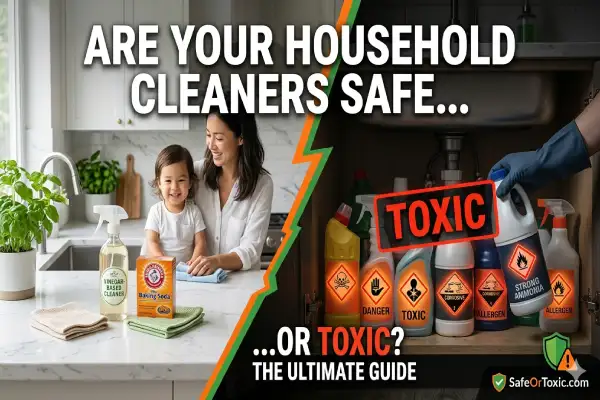
Did you know the average American home has over 60 toxic chemicals? Many come from common cleaning products we buy. When we face tough stains, we often turn to strong cleaners. But, it’s crucial to know what’s in them for our family’s safety.
We might think professional cleaners are better, but they need special care. Keeping pets and kids safe means knowing what we use on surfaces. This guide helps you keep your home clean without risking health or forgetting to air it out.
Key Takeaways
- Industrial-strength products often contain potent chemicals requiring careful handling.
- Always read manufacturer labels for specific surface compatibility.
- Proper ventilation significantly reduces exposure to harsh fumes.
- Keep all chemical supplies locked away from children and pets.
- Consider eco-friendly alternatives for daily maintenance tasks.
Understanding the Chemical Composition of Zep Products
Do you know what’s in your cleaner? Many household products have strong chemicals to fight tough messes. Knowing the science behind your cleaner makes it safer to use.
Common Ingredients Found in Industrial-Strength Cleaners
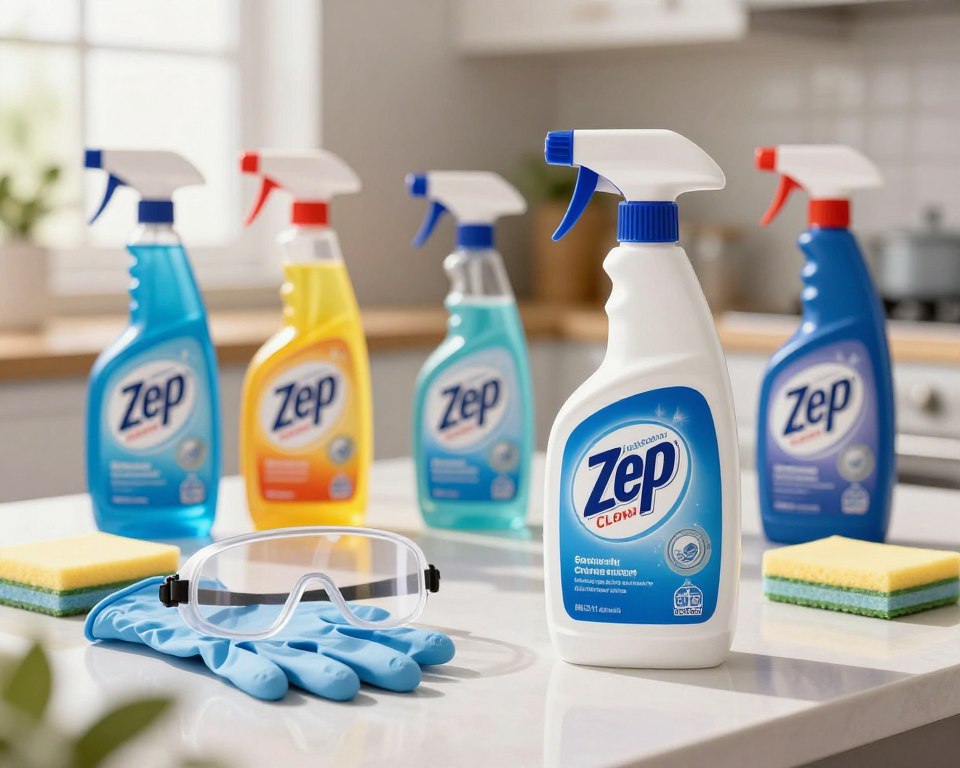
Industrial cleaners often use strong acids to remove tough stains. For example, Zep Grout Cleaner uses urea hydrochloride and hydrochloric acid. These ingredients create bubbles that help lift dirt from surfaces.
“Understanding the chemical profile of your cleaning agents is the foundation of a safe home environment. Always prioritize ventilation when using acid-based solutions.”
These strong ingredients need careful handling. If you’re curious about other products, like mold remover spray, similar chemicals are used. Always follow Zep Cleaner safety tips to stay safe.
Distinguishing Between Professional and Consumer-Grade Formulas
It’s important to know the difference between professional and home-use cleaners. Professional cleaners are highly concentrated and need more caution. They are not as safe as the diluted versions for home use.
| Feature | Consumer-Grade | Professional-Grade |
|---|---|---|
| Concentration | Low to Moderate | High |
| Application | General Household | Heavy-Duty/Industrial |
| Safety Needs | Standard Caution | Strict PPE Required |
Using the wrong cleaner can damage surfaces or expose you to chemicals. Always check the label to use the right product. By following Zep Cleaner safety tips, you can keep your home clean and safe.
Is Zep Cleaner Safe to Use Inside the Home
Many homeowners wonder, is Zep cleaner safe to use inside the home? These products are made for tough jobs. But using them at home needs careful thought to keep your space healthy and comfy.
Evaluating Toxicity Levels for Indoor Environments
Thinking about indoor use of Zep cleaner means understanding its impact on your home’s air. These strong formulas quickly tackle tough grease and grime.
It’s crucial to follow the maker’s guide on how to mix and apply. Cleaning in a well-ventilated area reduces the risk of breathing in strong chemicals.
Assessing Volatile Organic Compounds (VOCs) in Zep Cleaners
Volatile Organic Compounds, or VOCs, are chemicals that can turn into gas at room temperature. When using indoor Zep cleaner, it’s key to know some formulas might release VOCs.
High VOC levels can cause short-term breathing issues or headaches if the area isn’t well-ventilated. To keep your home safe, follow these tips:
- Always keep windows or doors open while cleaning to encourage fresh airflow.
- Use only the recommended amount of product to avoid unnecessary chemical buildup.
- Store containers tightly sealed to prevent vapors from escaping into your living space.
- Wipe down surfaces thoroughly with water after applying strong cleaning agents.
Knowing what’s in your cleaning products helps you decide if is Zep cleaner safe to use inside the home for you. Handling them responsibly keeps your home clean and safe for all.
Health Risks Associated with Improper Chemical Exposure
Zep Cleaner for home use is powerful but risky if not handled right. Many think industrial-strength products are safe because they’re sold. But, these products have strong chemicals. Improper handling can cause health problems for everyone at home.
Respiratory Irritation and Indoor Air Quality
Using strong cleaners in small rooms can harm your air quality. Breathing in these fumes can irritate your lungs, causing coughing or throat pain. People with asthma are more at risk.
Poor air flow makes these problems worse. To keep your air clean, visit guidelines for multi-surface cleaning spray. This helps protect your lungs and home.
Dermal Contact and Skin Sensitivity Concerns
Touching strong cleaners can cause skin irritation or burns if not diluted right. Even a little exposure can make your skin sensitive. Always try to avoid touching the cleaner or its residue.
“Chemical safety is not just about the product itself, but about the environment in which it is applied and the precautions taken by the user.”
Here’s a table to help you deal with these risks when using Zep Cleaner for home use.
| Exposure Type | Potential Symptom | Immediate Action |
|---|---|---|
| Inhalation | Throat irritation | Move to fresh air |
| Skin Contact | Redness or itching | Wash with soap and water |
| Eye Contact | Burning sensation | Flush with water for 15 minutes |
Being informed and careful helps keep your home clean and safe. Remember, Zep Cleaner for home use needs respect for its strong chemicals. This ensures a safe space for your family.
Best Practices for Ventilation When Cleaning Indoors
Proper ventilation is your first line of defense when using strong cleaning agents. Products like Zep Grout Cleaner release vapors that stay in still air. Keeping your indoor space safe from Zep Cleaner vapors is key to protecting your health and getting a deep clean.
The Importance of Airflow in Enclosed Spaces
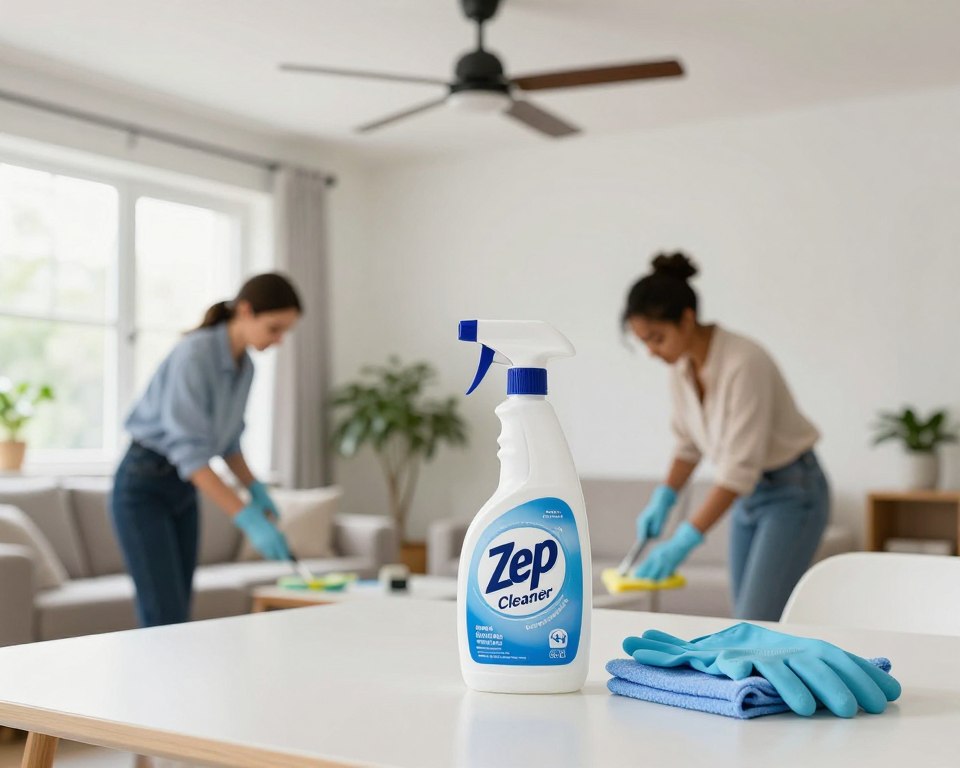
Spaces like bathrooms or small utility rooms trap fumes quickly. Without good air flow, these vapors can become too strong. It is essential to remember that even everyday items, like nail polish remover, need fresh air to be safe.
Keeping air moving stops volatile compounds from building up. This makes cleaning more comfortable. Always remember that fresh air is your best tool for a healthy home.
Using Fans and Open Windows Effectively
To keep your space safe, create a cross-breeze. Open windows on opposite sides to let air flow through. If you can’t open windows, use a box fan in a doorway to move air.
Place a fan to blow air out near an open window. Also, turn on bathroom exhaust fans during and after using chemicals. These simple steps will lower your exposure and keep your home safe and breathable while cleaning.
Personal Protective Equipment for Household Cleaning
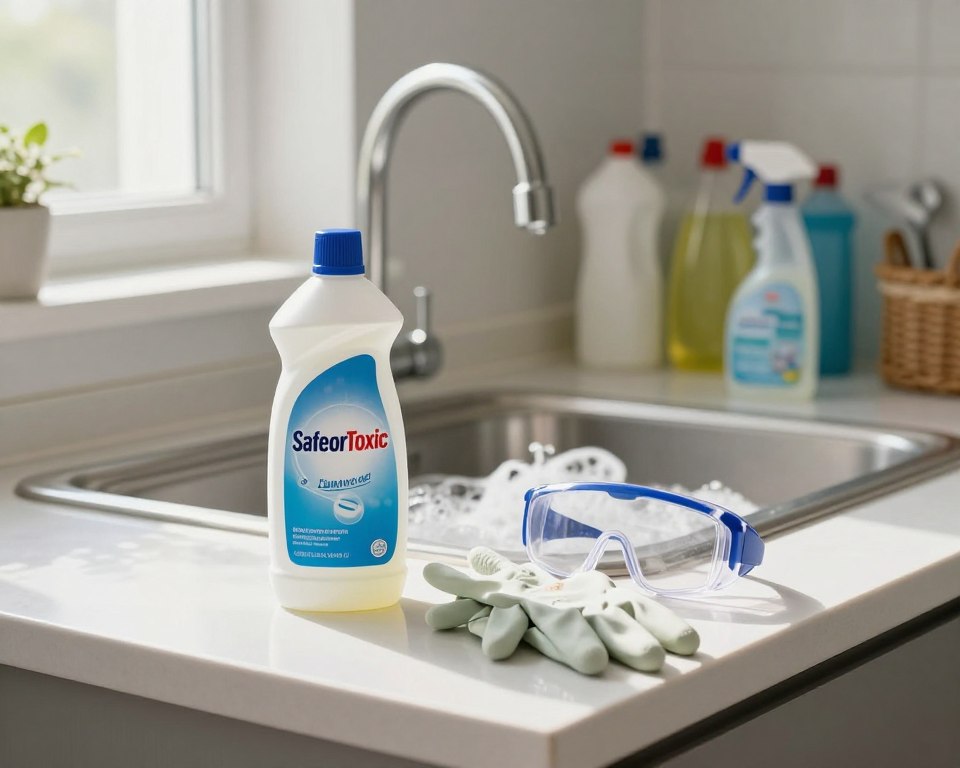
When you’re using Zep cleaner in the house, safety comes first. Preparing the right gear can lower the risk of accidents. This way, your cleaning is both safe and effective for everyone.
Selecting the Right Gloves for Chemical Handling
Not all gloves protect equally against strong cleaners. For scrubbing surfaces, choose gloves made from nitrile or neoprene. These materials resist chemicals well, keeping your skin safe.
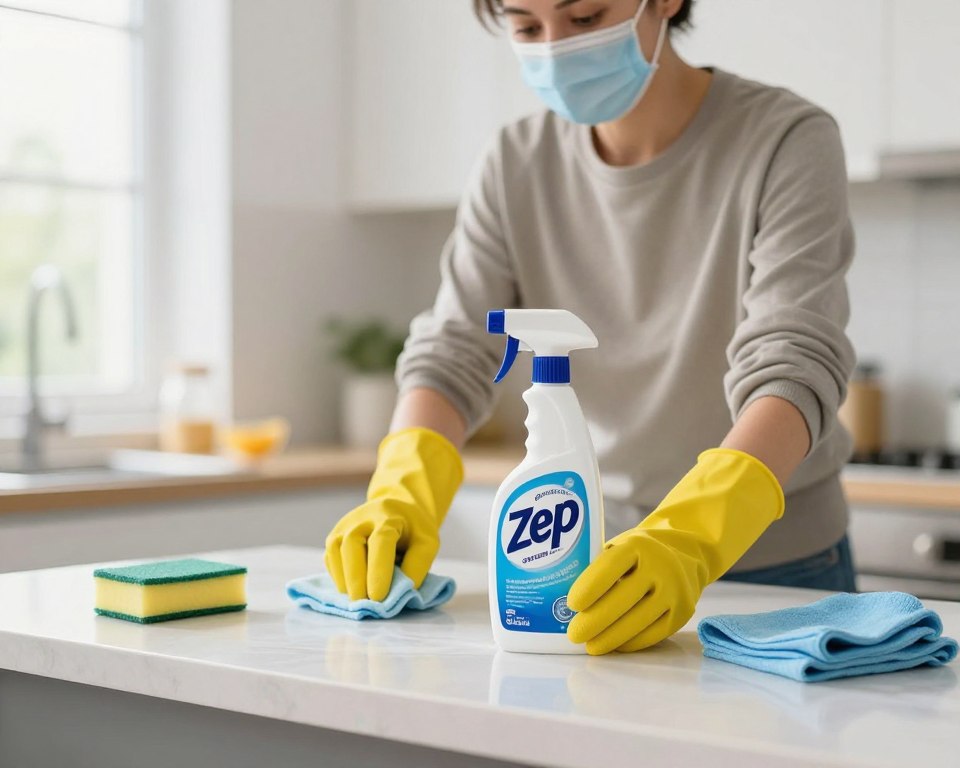
Don’t use thin, disposable latex gloves. They can tear or let chemicals through. Always check your gloves before using Zep cleaner in the house. Replace them if you see cracks or holes to keep your skin safe.
When to Consider Eye Protection and Masks
Some cleaning tasks involve spraying liquids or working in small, closed spaces. In these cases, safety goggles are a smart precaution to avoid eye splashes. If you wear glasses, use goggles over them for a better fit.
If you’re sensitive to strong smells or working in a poorly ventilated area, a mask is a good idea. Even though many Zep products are safe, a mask filters out strong vapors. Prioritizing your health lets you clean your home safely and without worry.
Safe Storage Solutions for Zep Cleaning Supplies
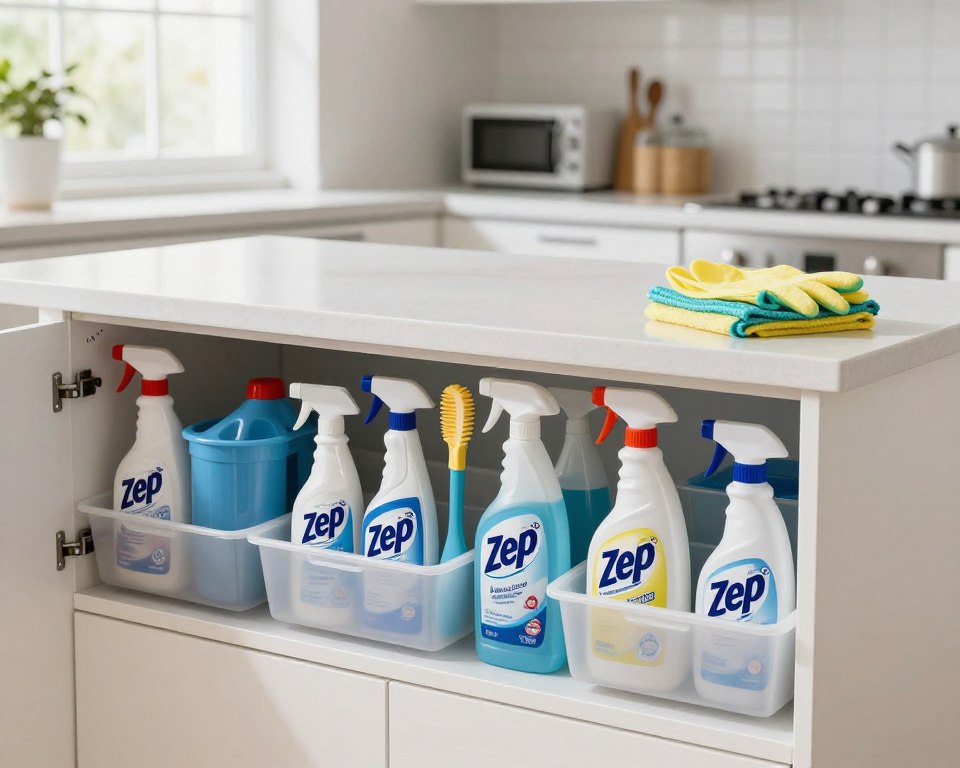
Keeping your family safe from accidents begins with how you store cleaning supplies. Using safe ways to use Zep Cleaner at home means more than just applying it right. It’s about storing it wisely. The right storage spot can greatly lower the chance of accidents in your home.
Preventing Accidental Ingestion by Children and Pets
Storing cleaning agents high up is the best way to stop kids and pets from getting into them. They are drawn to colorful bottles, so it’s essential to keep them out of reach. Never leave bottles on the floor or under sinks where they can be easily grabbed.
If space is tight, think about using child-proof latches on your cabinets. These add an extra safety measure for your home. Even though products like Comet cleaner or Zep are effective, they should be kept away from food and play areas.
Maintaining Original Containers and Label Integrity
Always use the original containers for your cleaning supplies. This keeps the safety labels and instructions in place. These labels have critical information on how to handle emergencies and what’s in the product. Don’t transfer liquids into unmarked bottles or food containers, as it’s risky.
If a label gets damaged or hard to read, it’s safer to throw the product away than to guess what’s inside. Keeping the original packaging means you have the right info if a doctor needs to know what’s in it. Clear, easy-to-read labels are key to safe ways to use Zep Cleaner at home for your peace of mind.
Surface Compatibility and Material Safety
Not every surface in your home can handle industrial cleaners. It’s key to follow Zep Cleaner precautions for indoor use to protect your home. The wrong cleaner can damage surfaces, causing etching, discoloration, or lasting harm.
Testing Zep Cleaners on Delicate Household Surfaces
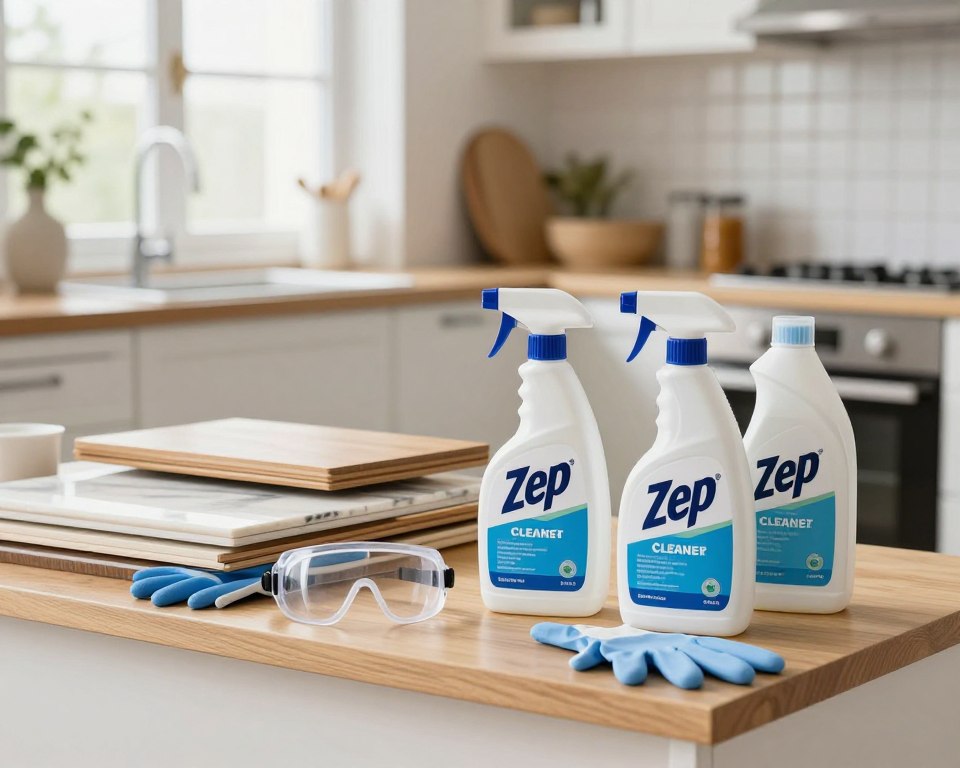
Always test a cleaner on a small, hidden area first. Look for a spot like a corner behind a door or inside a cabinet. This test ensures the cleaner won’t harm your surfaces.
If the test shows clouding or color changes, stop right away and rinse the area. These Zep Cleaner precautions for indoor use keep your cleaning safe and effective. Wait for the test spot to dry before deciding to use the cleaner.
Avoiding Damage to Natural Stone and Hardwood
Some materials react badly to strong cleaners. For example, Zep Grout Cleaner can etch marble, travertine, or natural stone. Also, avoid using these cleaners on brass, chrome, or stainless steel to prevent tarnish.
Hardwood floors need gentle care to avoid damage. Harsh chemicals can harm the sealant and cause the wood to warp or dry out. By following these Zep Cleaner precautions for indoor use, you protect your home and avoid expensive fixes. See the table below for surfaces that need extra caution.
| Surface Type | Compatibility | Risk Level |
|---|---|---|
| Ceramic Tile | Generally Safe | Low |
| Natural Stone | Avoid | High |
| Hardwood | Avoid | High |
| Stainless Steel | Avoid | Medium |
Zep Cleaner Indoor Safety Protocols for Kitchen Areas
When using heavy-duty cleaners in your home, Zep Cleaner indoor safety is key. Kitchens are where food is prepared daily. It’s crucial to handle chemicals with care to keep your family safe.
Cleaning Countertops and Food Preparation Zones
Always test a cleaner on a hidden spot before using it on your counters. This step prevents damage to your surfaces. Follow these essential steps for safe cleaning:
- Apply the cleaner to a small section at a time.
- Let it sit for a few minutes to break down grease.
- Scrub gently with a soft brush or cloth.
Not all cleaners are safe for surfaces that touch food. Learn about grill cleaner spray safe food areas to choose the right product. Always pick cleaners made for your kitchen materials to avoid damage.
Rinsing Requirements After Chemical Application
Removing all chemical residue is crucial. Even effective cleaners can harm your indoor air quality and food safety. Rinse every treated surface well with clean water until there’s no residue left.
Use a damp cloth or sponge to wipe the area several times. Thorough rinsing ensures your kitchen is safe for cooking. By sticking to these safety protocols, you can have a clean home without worry.
Managing Zep Products in Bathroom Environments
Keeping your home safe with Zep Cleaner household safety is crucial, but it’s even more important in bathrooms. These areas are small and often don’t have good airflow. This means chemical smells can spread fast. It’s key to take care of yourself when fighting tough stains and soap scum.
Handling Fumes in Small, Poorly Ventilated Spaces
When cleaning your shower or vanity, make sure the area is well-ventilated. Open windows and turn on the exhaust fan before starting. If there’s no window, keep the door open to let fresh air in.
Don’t stay in the room for too long when using the cleaner. If you smell something strong, move to a bigger area. Learning about toilet bowl cleaner toxicity helps you understand the need for good air quality.
Preventing Chemical Reactions with Other Bathroom Cleaners
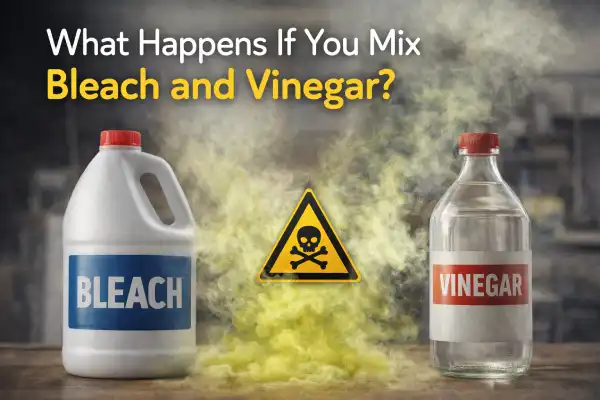
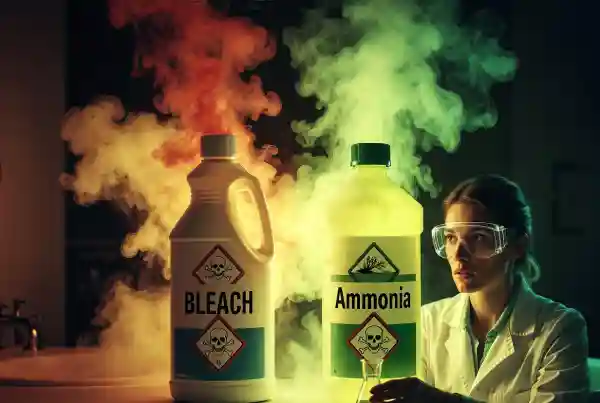
One key rule for Zep Cleaner household safety is to never mix cleaners. Mixing different products can cause harmful gas releases. Always use one product at a time and clean surfaces well before using another.
Many bathroom cleaners have bleach or ammonia, which can react badly with other ingredients. Using just one product keeps your air and home safe. See the table below for tips on safe cleaning.
| Action | Safety Status | Reasoning |
|---|---|---|
| Mixing Zep with Bleach | Dangerous | Risk of toxic gas release |
| Using Exhaust Fans | Recommended | Reduces fume concentration |
| Rinsing Between Products | Essential | Prevents chemical cross-contamination |
| Cleaning with Door Open | Recommended | Improves overall air circulation |
Safe Application Techniques for Floors and Carpets
When you choose using Zep cleaner in the house, taking care of your floors is key. The right way to apply it keeps your floors clean and safe. By following expert tips, you can get great results and keep your home safe for everyone.
Dilution Ratios for Concentrated Formulas
Many Zep products need to be mixed with water before use. Always check the label to find out how much water you need. Using too much cleaner can make your floors sticky and attract dirt.
Getting the mix right saves water and makes sure the cleaner is strong enough. If you’re not sure, start with a weaker mix. Test it on a small area first to avoid damaging your floors.
Ensuring Residue-Free Surfaces for Crawling Infants
For homes with crawling babies, getting rid of all chemicals is crucial. Even with using Zep cleaner in the house, make sure to rinse floors well after cleaning. Babies are very sensitive to chemicals left on floors.
To clean deeply, mop or wipe the area with clean water after cleaning. This extra rinse step gets rid of any leftover chemicals. By doing this, you make a safe space for your little ones to play and explore.
Zep Cleaner Precautions for Indoor Use Around Pets
Keeping pets safe from chemicals is crucial for every pet owner. Animals are more exposed to chemicals because they spend more time on floors. Using safe ways to use Zep Cleaner at home helps keep your home clean and safe for pets.
Identifying Pet-Safe Cleaning Habits
Keep pets away from treated areas until they are dry. Wet chemicals can easily get on their fur and paws. Always ensure proper ventilation to help surfaces dry faster and reduce fumes.
When cleaning areas where pets eat or sleep, rinse with water. This removes chemical traces that pets might ingest. Following these safe ways to use Zep Cleaner at home will give you peace of mind and a clean home.
“The greatness of a nation and its moral progress can be judged by the way its animals are treated.”
Signs of Chemical Sensitivity in Household Animals
Even with precautions, watch your pets for unusual signs. Animals can’t tell us when they’re sick, so we must observe them closely. Catching problems early is key to preventing serious health issues.
Look out for these signs of chemical sensitivity:
- Excessive sneezing or coughing after cleaning.
- Redness, irritation, or inflammation on paws or belly.
- Unusual lethargy or loss of appetite.
- Frequent scratching or licking of skin areas.
If you see these signs, move your pet to a well-ventilated area right away. If the problem doesn’t go away, see a vet. Your vigilance is the best defense against accidental exposure in your home.
Emergency Procedures for Accidental Exposure
Even with the best Zep Cleaner precautions, spills can still happen. It’s crucial to be ready for these moments. This way, you can keep your family safe from household chemicals.
“Safety is not just a set of rules; it is a mindset that keeps our homes and loved ones protected from avoidable harm.”
Immediate Steps for Skin and Eye Contact
If you get a cleaning product on your skin, act fast to avoid irritation. Remove any dirty clothes and wash the area with lukewarm water for 15 minutes.
For eye exposure, gently rinse with clean water for 20 minutes. Keep your eyes open to remove all the chemical. Don’t rub your eyes to avoid more damage.
When to Seek Professional Medical Assistance
While some minor issues can be handled at home, others need a doctor. Call a poison control center or see a doctor if you notice:
- Difficulty breathing or persistent coughing after inhaling fumes.
- Severe burning sensations or chemical burns on the skin.
- Accidental ingestion of the product by a child or pet.
- Blurred vision or intense pain that does not subside after flushing.
Always have the product container ready when calling for help. This helps give the exact ingredient information to medical experts. They can then give the best advice for your situation.
Reading and Interpreting Safety Data Sheets
Every bottle of Zep cleaner comes with a Safety Data Sheet (SDS). These documents are key to knowing what’s in your products and how to handle them. By taking a few minutes to review them, you can greatly improve your Zep Cleaner household safety.
How to Access Zep Product Safety Information
Finding these documents is easier than you think. You can usually find the SDS on the Zep website by searching for the product name or stock number. Most manufacturers provide these files in a downloadable PDF format, making them easy to save on your phone or computer.
If you can’t find it online, check the back of the product label for a customer service phone number. They can email the latest safety sheet to you. Keeping these files handy is a great Zep Cleaner safety tip for any busy household.
Understanding Hazard Statements and Precautionary Labels
Safety Data Sheets use standardized language to describe potential risks. You’ll see “Hazard Statements” that explain the chemical’s dangers, like skin irritation or eye damage. Precautionary statements tell you how to avoid these risks, like wearing gloves or ensuring good ventilation.
The following table outlines the key components you should look for when reviewing these documents to maintain high standards of Zep Cleaner household safety:
| Section Component | What It Means | Why It Matters |
|---|---|---|
| Hazard Identification | Lists chemical dangers | Helps you prepare protective gear |
| First Aid Measures | Emergency response steps | Provides immediate action plans |
| Handling and Storage | Safe usage guidelines | Prevents accidental exposure |
| Exposure Controls | Ventilation requirements | Ensures safe indoor air quality |
Learning to interpret these labels empowers you to use powerful cleaning tools with confidence. When you understand the specific risks, you can implement better Zep Cleaner safety tips to protect your family and your home environment.
Eco-Friendly Alternatives and Greener Cleaning Options
Looking into eco-friendly options can make you feel better about avoiding harsh chemicals. Industrial cleaners are great for deep cleaning, but many prefer gentler options for daily upkeep. Finding a balance between cleaning power and environmental impact helps create a safer, greener home.
Comparing Zep to Plant-Based Cleaning Solutions
When using indoor Zep Cleaner, remember it’s made for tough jobs. It has surfactants and solvents to quickly tackle grease and grime. On the other hand, plant-based cleaners use enzymes or citric acids to remove dirt.
Plant-based cleaners are generally gentler but might need more time or scrubbing to work as well as industrial cleaners. If you’re worried about chemical exposure, like during pregnancy, it’s crucial to check if cleaning products are safe. Choosing the right cleaner is key to keeping your home clean without risking your health.
When to Switch to Less Harsh Alternatives
Deciding when to switch to gentler cleaners depends on the surface and dirt level. For light dusting, glass, or regular floor cleaning, plant-based options are usually enough. Use industrial cleaners for deep cleaning with tough stains or heavy buildup.
Remember, Zep Cleaner inside the home regulations advise using it in well-ventilated areas to avoid inhaling fumes. Switching to greener cleaners can lower your chemical use. This helps keep your air quality better while keeping your home clean.
| Cleaning Factor | Industrial Cleaners | Plant-Based Cleaners |
|---|---|---|
| Cleaning Power | High (Heavy-duty) | Moderate (Routine) |
| Chemical Harshness | Strong | Mild |
| Best Use Case | Deep cleaning/Grease | Daily maintenance |
| Environmental Impact | Higher | Lower |
Conclusion
Keeping your home clean is all about finding the right balance. Using Zep Cleaner for home tasks gives you strong cleaning power. But, it’s crucial to follow safety rules every time you use it.
Knowing the safety rules for Zep Cleaner helps keep your home safe. Always make sure you have good air flow and store cleaners properly. If you want to know more about the dangers of certain cleaners, you can read about ammonia-based cleaner toxicity.
Your cleaning habits affect your home’s health. Wearing protective gear and rinsing well helps avoid irritation. Also, keep your cleaners in their original containers so safety labels are always visible.
Being informed helps you clean your home safely. Paying attention to details makes cleaning safe for everyone. You’ll feel better knowing you’re using cleaning products wisely.
FAQ
Is Zep Cleaner Safe to Use Inside the Home for general maintenance?
Yes, Zep Cleaner is safe for home use if you follow the guidelines. It comes in both professional and consumer grades. For indoor cleaning, use the right strength or dilute it to keep your home safe.
What are the most important Zep Cleaner safety tips for protecting my family?
Key safety tips include good ventilation and wearing protective gear. Some cleaners have strong chemicals, so wear gloves and keep windows open. This helps keep the air clean.
Are there specific Zep Cleaner indoor safety protocols for cleaning kitchens and food prep areas?
In kitchens, extra care is needed. Always rinse well after using Zep on surfaces. This removes any chemicals, keeping your kitchen clean and safe.
How can I find safe ways to use Zep Cleaner at home without damaging my floors?
Always test Zep Cleaner in a small area first. It’s too strong for some materials. Check the label to avoid damaging your floors.
What are the Zep Cleaner precautions for indoor use in small spaces like bathrooms?
Bathrooms are small and can trap fumes. Use Zep Cleaner alone and avoid mixing chemicals. This keeps the air safe to breathe.
Is Zep Cleaner for home use safe around pets and crawling infants?
Keep pets and babies away until surfaces are dry. Watch for signs of chemical sensitivity in pets. Store bottles safely to prevent accidents.
Where can I find Zep Cleaner inside the home regulations and detailed chemical information?
Check the Zep website for Safety Data Sheets (SDS). They have important info on chemicals and safety procedures.
How do I choose between Zep and more eco-friendly alternatives?
Zep is great for tough stains, but for everyday cleaning, consider eco-friendly options. If you need Zep, use it safely to keep your home clean and healthy.