Did you know that almost 90% of foaming household products in the United States use surfactants? These ingredients are everywhere, but they often cause a lot of debate about their health effects. As a pharmacist, I hear from many patients who are concerned about these chemicals.
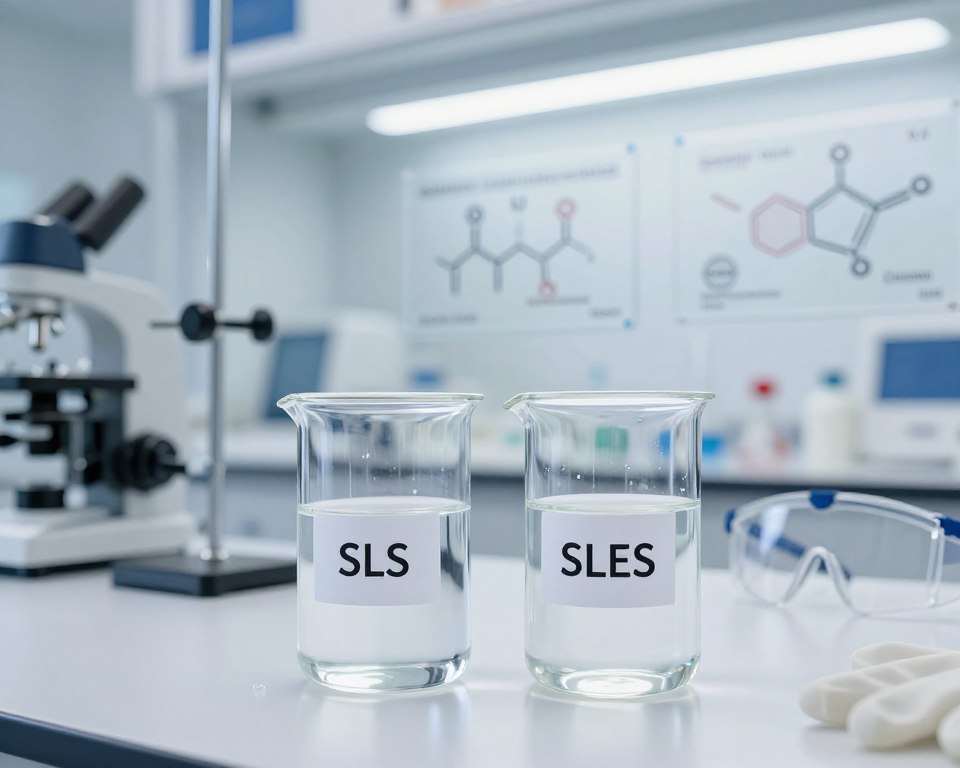
Most of the worry comes from online misinformation that mixes up different chemicals. It’s important to understand the differences between Sodium Lauryl Sulfate (SLS) and Sodium Laureth Sulfate (SLES). By looking at the clinical evidence, we can clear up the myths and focus on the real science.
This article aims to give you a clear view of SLS vs SLES in your daily life. We’ll explain the technical differences and share SLS SLES facts to help you read product labels better. My goal is to give you a solid, evidence-based look at SLS SLES safety for your home.
Key Takeaways
- Surfactants are key for the cleaning power of most modern detergents.
- The structure of these chemicals affects how they work on skin.
- Online misinformation often confuses different chemicals, causing unnecessary worry.
- Studies show these ingredients are safe in normal amounts.
- Pharmacist-approved info helps you focus on real risks, not online myths.
Defining the Chemistry of Surfactants
Surfactants are key molecules in cleaning products. They help remove dirt from surfaces and fabrics. Without them, water can’t easily get rid of oily residues.
What Are Surfactants?
The term surfactant comes from surface-active agent. These molecules have a special structure. They can work with both water and oil, thanks to being amphiphilic.
Each surfactant has two parts:
- The Hydrophilic Head: This part loves water and bonds with it.
- The Hydrophobic Tail: This part hates water and bonds with oils and grease.
Surfactants move to the water-substance interface. They lower the liquid’s surface tension. This makes the liquid spread and penetrate better.
The Mechanism of Cleaning
Surfactants trap oily soils in a structure called a micelle. When detergent is added to water, the surfactant molecules form a structure. Their tails face inward toward the grease, and their heads face outward toward the water.
This structure pulls the oil or grease away from the surface. It suspends it in the water. Once trapped, the soil can be rinsed away during washing.
“Surfactants are essential because they bridge the gap between polar water molecules and non-polar oily soils, enabling the removal of contaminants that would other wise remain stuck to a surface.”
Surfactants make detergents work well at different temperatures and water hardness. Their chemical interaction is why they’re a key part of modern cleaning products.
Sodium Lauryl Sulfate (SLS) vs. Sodium Laureth Sulfate (SLES) Explained
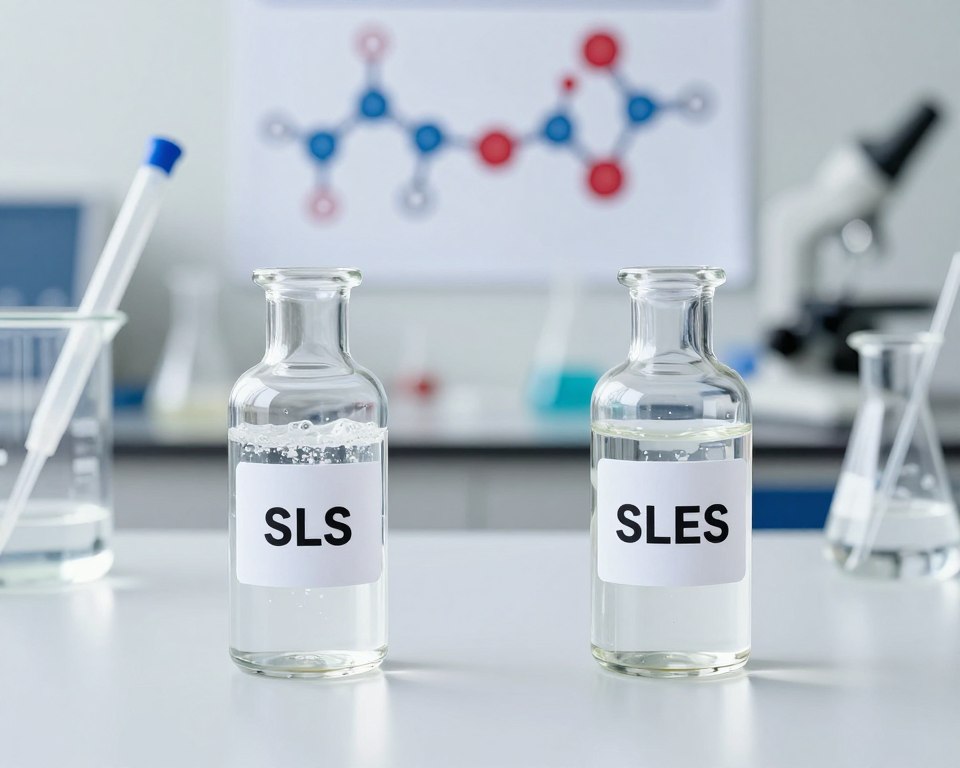
Many people think SLS and SLES are the same, but they’re not. Sodium Lauryl Sulfate (SLS) and Sodium Laureth Sulfate (SLES) have different chemical makeup. Knowing this is key for those looking for sulfate-free shampoo for sensitive scalp or other gentle products. SLS and SDS are the same thing chemically.
Chemical Composition of SLS
SLS is a man-made cleaner with a long chain and a sulfate group. This makes it good at cleaning oil and water. Its simple shape helps it remove sebum and dirt well.
Chemical Composition of SLES
SLES is a bit different from SLS. It gets modified through ethoxylation, adding ethylene oxide groups. This change makes SLES bigger and changes how it works on skin.
Key Differences in Molecular Size
The main difference between SLS and SLES is size. SLES is bigger because of the ethylene oxide groups. This size difference means SLES is gentler on the skin.
When looking at SLS SLES ingredients, it’s clear that SLS vs SLES has different effects. Both are good cleaners, but they affect skin differently. The right choice depends on how clean you want your skin to be and how sensitive it is.
Manufacturing Processes and Raw Materials
The making of surfactants is a complex process. It turns raw materials into cleaning agents. Both natural and synthetic materials are used to create the needed structures for detergents. Knowing how these products are made helps us understand their role in our daily lives.
Sourcing from Coconut and Palm Oil
Surfactants often come from renewable plant-based sources like coconut and palm oil. These oils have fatty alcohols, which are key for making SLS and SLES. The process starts by breaking down these oils into fatty acids through hydrolysis.
After that, the fatty alcohols are sulfated to form the surfactant molecule. Many choose plant-based sources for their products to be more sustainable. The chemical makeup of the surfactant doesn’t change, no matter the source.
The Ethoxylation Process for SLES
The main difference between SLS and SLES is the ethoxylation step. Ethylene oxide is added to the fatty alcohol chain. This makes the molecule bigger and changes its properties.
Ethoxylation makes the molecule more water-soluble and gentler on the skin. This step is key for making products that clean well but are also dermal compatible. Below is a table showing the main differences in making these surfactants.
| Process Stage | SLS Production | SLES Production |
|---|---|---|
| Primary Feedstock | Coconut or Palm Oil | Coconut or Palm Oil |
| Chemical Modification | Sulfation | Sulfation and Ethoxylation |
| Molecular Result | Smaller, more reactive | Larger, milder structure |
| Primary Benefit | High foaming power | Reduced skin irritation |
The Role of Surfactants in US Detergents
Surfactants are key to how soaps and detergents work. They help water and oil mix, making it easy to clean surfaces and skin. They are a must in American cleaning products because they work so well.
Experts say that how well a cleaner works depends on its molecular design. Without surfactants, keeping things clean would be much harder.
“Surfactants are the fundamental building blocks of cleaning formulations, providing the necessary surface tension reduction to lift away unwanted residues effectively.”
Foaming and Lathering Properties
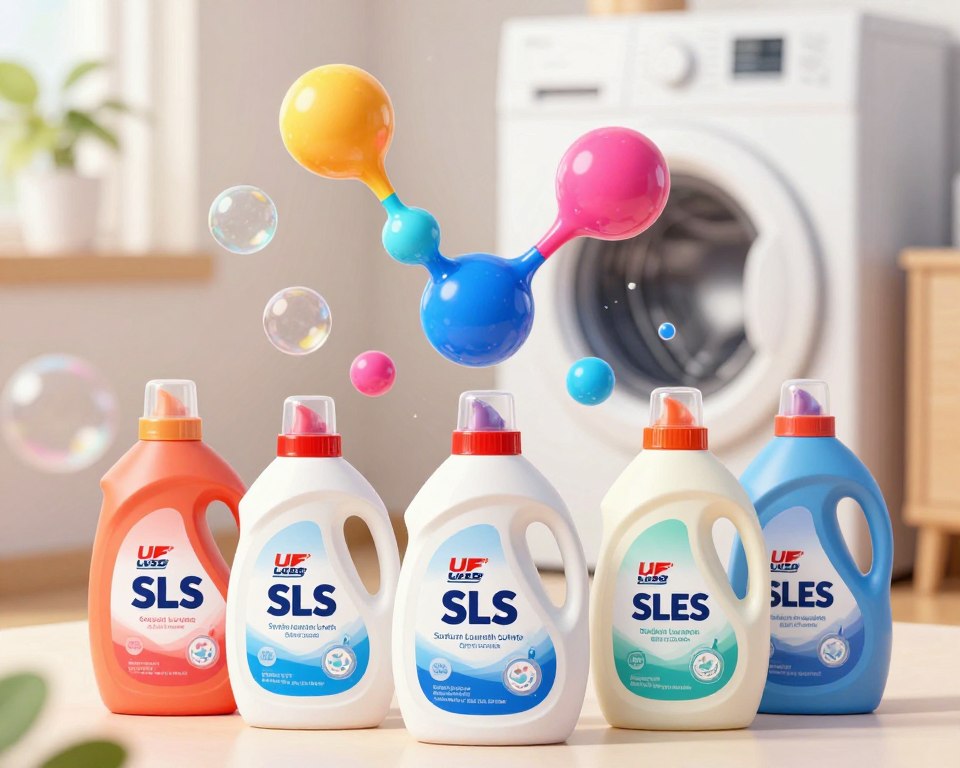
Many people judge a product by how well it foams. The foam comes from surfactants making water easier for air to mix in. More surfactants mean more foam, which people think means a cleaner surface.
Even though foam doesn’t directly clean, it’s important. It spreads the cleaner evenly, making sure every part gets cleaned. This is why sulfates are so common in shampoos and body washes.
Emulsification and Grease Removal
Surfactants have two parts: one that loves water and one that loves oil. When they meet grease, the oil-loving part grabs it, and the water-loving part pulls it into the water.
This action, called emulsification, breaks down oil into tiny bits that can be washed away. It keeps the oil from sticking back to surfaces. This is why surfactants are great at removing tough stains in laundry and dishes.
Comparing Molecular Structure and Skin Penetration
The size of molecules in cleaning agents is key to how well they work on skin. The SLS vs SLES debate focuses on how these substances affect the skin’s outer layers. Knowing these differences helps us understand why some products are better for sensitive skin.
Why SLS Penetrates the Skin Barrier
Sodium Lauryl Sulfate (SLS) has a small, compact shape. This lets it easily get past the skin’s outer layers. This is why SLS is different from SLES in how it affects the skin.
After getting into the skin, SLS can mess with the skin’s proteins. This can cause the skin to lose moisture, leading to dryness and irritation.
How Ethoxylation Modifies SLES Behavior
Ethoxylation changes Sodium Laureth Sulfate (SLES) into a larger molecule. This makes it harder for SLES to get into the skin. It stays on the surface, which is safer for the skin.
This change is why SLES is safer for the skin than SLS. SLES doesn’t get deep into the skin, so it doesn’t disrupt it as much.
Impact on Skin Barrier Integrity
Keeping the skin’s barrier strong is important to avoid inflammation and sensitivity. Surfactants that get deep into the skin can cause problems. SLES stays on the surface, which helps protect the skin.
Formulators choose SLES for products like facial cleansers because it cleans well without harming the skin. Choosing the right surfactant is key to making gentle, effective products.
Evaluating Irritation and Skin Sensitivity
When we talk about the safety of personal care products, skin irritation is a big worry. It’s not just one ingredient that causes irritation. The overall formulation of a product is key in how it affects our skin.
The amount of surfactants and how long they stay on the skin are key. You can learn more about Sodium Lauryl Sulfate (SLS) and Sodium Laureth Sulfate (SLES) to understand this better.
Clinical Studies on SLS Irritation
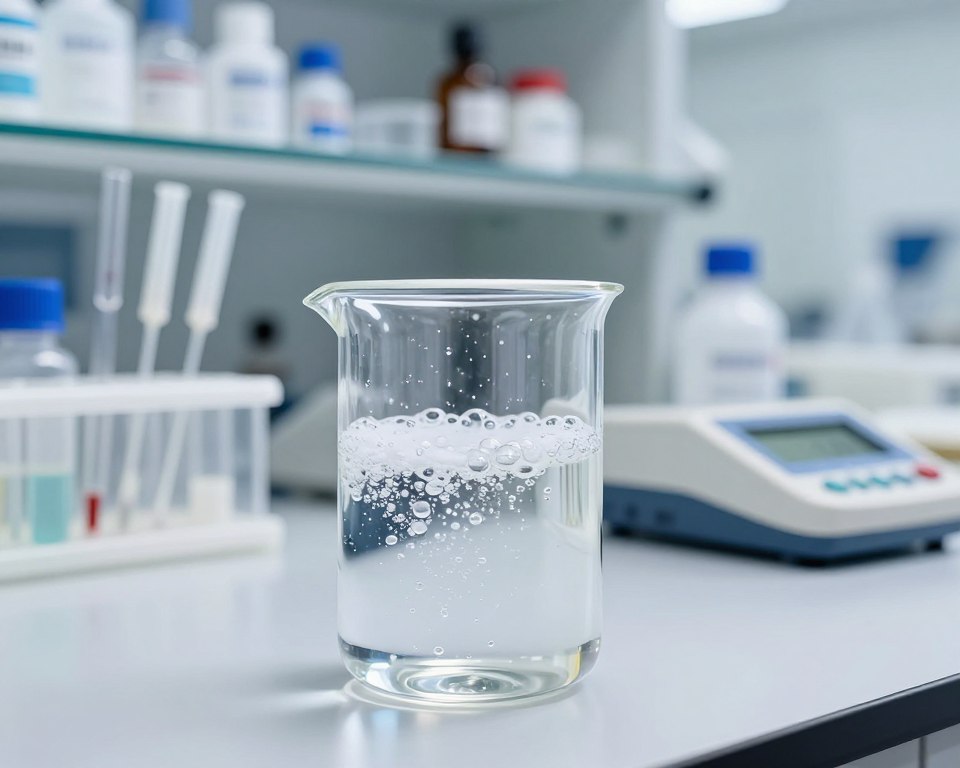
Sodium Lauryl Sulfate (SLS) is used in clinical tests to see how skin reacts. It’s applied in high amounts to see the skin’s response. These tests help set safety levels for products.
But, these tests use much more SLS than what’s in everyday cleaners. Even though SLS can harm the skin barrier, it doesn’t always show how a diluted product will act.
SLES as a Milder Alternative
Sodium Laureth Sulfate (SLES) is seen as a gentler option than SLS. It’s made bigger through ethoxylation, which stops it from getting deep into the skin.
Because SLES doesn’t take away as many natural oils, it’s good for products used often. It’s less likely to irritate the skin but keeps the cleaning power we want.
Factors Influencing Individual Sensitivity
How sensitive our skin is can really vary. Things like our genes, skin conditions, and the skin’s natural oils play a big part. What works for one person might not for another.
In the end, how safe a product is depends on its finished product formulation. Makers often mix surfactants with moisturizers to make products safer. This mix keeps the product effective but gentle on our skin.
Addressing the 1,4-Dioxane Contamination Myth
It’s key to know the difference between an ingredient and a byproduct. Many talks about Sodium Laureth Sulfate (SLES) mix up the chemical itself with tiny contaminants from making it. This helps us see the real risks of common cleaners.
Understanding the Byproduct Formation
1,4-dioxane isn’t added on purpose to cleaners. It’s a trace byproduct that forms during making SLES. This happens when ethylene oxide is used, sometimes creating small amounts of 1,4-dioxane.
This process is at a molecular level, which can confuse people. But, knowing that doesn’t mean the product is unsafe. We need to look at how much 1,4-dioxane is in the final product to clear up SLS SLES myths.
FDA Stance on 1,4-Dioxane Levels
The U.S. Food and Drug Administration (FDA) checks for 1,4-dioxane in cosmetics and cleaners. They say the amounts found are extremely low and don’t harm most people.
The FDA also says there’s no clear link to cancer from these small amounts. By focusing on SLS SLES safety, the FDA helps keep these levels safe. This protects American consumers.
Safety Measures in US Manufacturing
Today’s factories use strict methods to cut down or get rid of 1,4-dioxane. The main method is vacuum stripping, which takes out volatile impurities from the surfactant mix.
These steps make sure Sodium Laureth Sulfate (SLES) is safe in cleaners. These standards prove safety is a top goal in making cleaners. They show that quality and SLS SLES safety are key for everyday use.
Regulatory Status in the United States
The safety of surfactants in American detergents is managed by a system of checks and balances. This system includes independent reviews and federal oversight. It makes sure ingredients are safe based on science, not guesses.
By combining expert opinions with government rules, the industry keeps products safe for millions of users. This is important for those who use these products every day.

The Role of the Cosmetic Ingredient Review (CIR)
The Cosmetic Ingredient Review (CIR) is a group that checks the safety of cosmetics and personal care items. A team of experts, including dermatologists and scientists, does these checks. They look at studies and data to see if an ingredient is safe.
Even though the CIR is not a government group, its advice is very valued. Their reports are based on science and help make products safer. People who want to know more about chemicals, like those on the dirty dozen list, look to these reviews.
FDA Oversight of Detergents and Personal Care
In the United States, the FDA is in charge of making sure personal care products are safe. The FDA checks the final product, not each ingredient before it’s sold. Companies must make sure their products are safe when used as directed.
The FDA can take action if a product is not safe or is not labeled correctly. They watch for bad reactions and check where products are made. This regulatory structure makes sure products are safe while also allowing for new ideas in products.
Environmental Impact and Biodegradability
Surfactants like SLS and SLES go down the drain and into complex systems. We need to understand how they break down in nature. Most detergents are made to be environmentally friendly, so they don’t stay in the environment for a long time.
Aquatic Toxicity Concerns
There are worries about how these chemicals affect water. But, before they’re made into products, they’re kept safe. When we use them at home, the amount in the water is very small.
Studies show that these products are safe for water life when used right. Treatment plants break them down into safe parts. This stops them from harming rivers or oceans.
Biodegradation Rates of Sulfates
Sodium Lauryl Sulfate (SLS) breaks down quickly in water and soil. Microorganisms eat it up, turning it into carbon dioxide and water. This keeps sulfates from building up in the environment.
Because they break down fast, these surfactants don’t stay in the environment long. This greatly reduces the chance of harming nature.
The table below shows how these surfactants affect the environment. It gives a clear picture of their ecological impact.
| Surfactant Type | Biodegradation Speed | Aquatic Persistence | Environmental Risk |
|---|---|---|---|
| SLS | Rapid | Low | Minimal |
| SLES | High | Low | Minimal |
| Plant-Derived Sulfates | Very High | Negligible | Very Low |
The impact of these ingredients is managed through dilution and breakdown. By picking products made with care, we help protect the environment.
Common Myths and Misconceptions
Exploring personal care ingredients can be confusing, thanks to online misinformation. It’s key to know the difference between real safety concerns and myths. By looking into SLS SLES facts, we can clear up what’s real and what’s not.
The Cancer Link Controversy
Many believe that SLS and SLES cause cancer, but this is a myth. This belief comes from a mix-up of lab studies and real-world facts. Big health groups say these ingredients don’t lead to cancer in people.
Some think sulfates are bad because they’re mixed with other chemicals. But, in the U.S., making products is closely watched to keep us safe. Scientific consensus shows these surfactants are safe when used right.
SLS and Hair Loss Myths
Some think sulfates make hair fall out. But, they don’t harm hair follicles or make hair fall off. Hair loss usually comes from genes, hormones, or health issues, not shampoos.
Scalp irritation from products is often due to being too sensitive. Using gentler products can fix dryness without worry. Proper rinsing helps avoid irritation from these ingredients.
Distinguishing Between Sulfates and Sulfites
People often mix up sulfates and sulfites, but they’re different. Knowing the SLS SLES difference is important for those with allergies. Sulfates clean, while sulfites preserve food and wine.
Sulfites can cause allergic reactions, mainly in people with asthma. Sulfates might irritate skin or eyes. Labeling requirements in the U.S. make it easy to tell them apart.
How to Read Detergent Labels Effectively
Reading the fine print on detergent bottles can be tough. Many people get lost in the complex chemical names. It’s key to understand these ingredients for safer choices at home and for your skin.
Identifying Sulfate-Free Claims
The term “sulfate-free” is popular on cleaning products. It means the product doesn’t have harsh surfactants. Instead, it uses milder, plant-based foaming agents.
“True transparency in labeling is not just about what is excluded, but about understanding the function of every component in the bottle.”
But, some brands use “sulfate-free” loosely. Always check the full ingredients list. This ensures the product meets your sensitivity needs. Look for the absence of common sulfates to confirm these claims.
Understanding Ingredient Lists on US Products
In the US, look for the main surfactants at the top of the label. You’ll often see SLS and SLES as the top cleaners. Knowing these helps you predict skin irritation before buying.
If you have sensitive skin, avoid products with SLS as the main cleaner. SLES is seen as milder because of its size. Learning these names helps you shop with confidence.
Choosing Between SLS and SLES for Sensitive Skin
As a pharmacist, I tell patients to look beyond what’s on the label. It’s important to know how surfactants affect your skin. When comparing SLS vs SLES, we aim to find the best for your skin’s health.
When to Avoid SLS
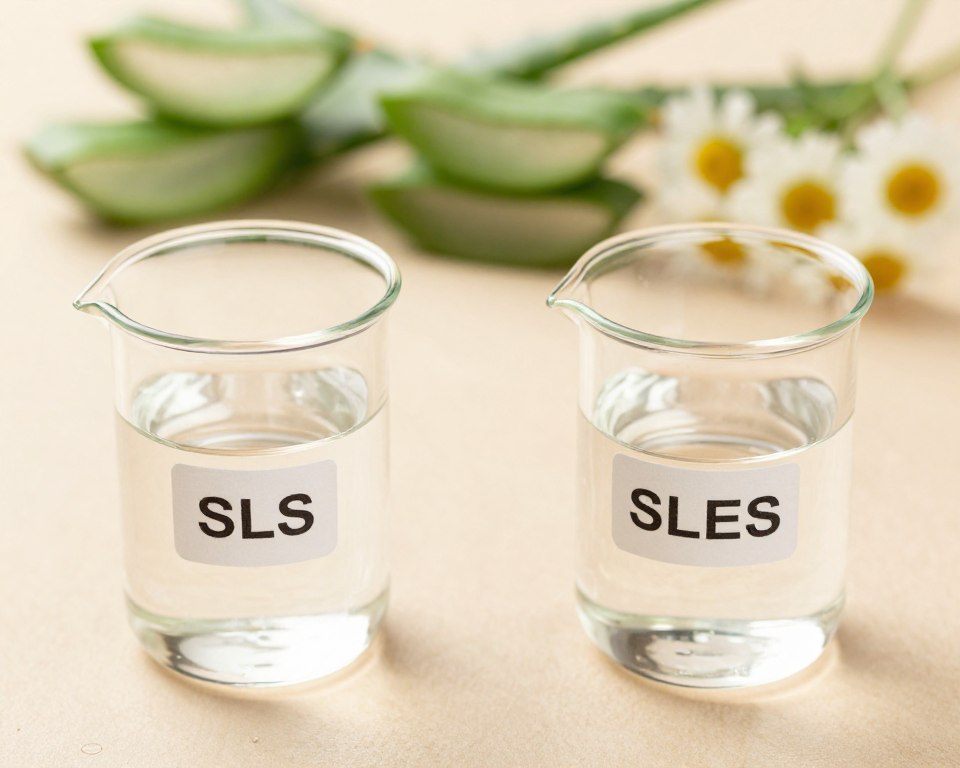
Sodium Lauryl Sulfate (SLS) is good at cleaning, but it can be too harsh. It can cause problems for people with eczema, psoriasis, or contact dermatitis. If you get redness or tightness after using a body wash, it might have SLS.
Benefits of SLES in Formulations
Sodium Laureth Sulfate (SLES) is better for everyday use. It’s made bigger through ethoxylation, so it doesn’t get into your skin as much. This makes it gentler for daily cleaning, keeping your skin moist.
Patch Testing for Detergent Reactions
Not sure about a new product? Try a patch test. Put a small amount on your forearm, covered with a bandage for 24 hours. If it’s okay, you can use it every day.
| Feature | Sodium Lauryl Sulfate (SLS) | Sodium Laureth Sulfate (SLES) |
|---|---|---|
| Molecular Size | Small (High penetration) | Large (Low penetration) |
| Irritation Poteial | Higher | Lower |
| Best Use Case | Heavy-duty cleaning | Daily personal care |
| Skin Compatibility | Sensitive skin caution | Generally well-tolerated |
Alternatives to Sulfates in Modern Cleaning Products
The personal care market has changed a lot. People now look for gentler products. They want to avoid SLS and SLES because of skin sensitivity. Luckily, new chemistry offers effective, gentle alternatives to old sulfate formulas.
Plant-Based Surfactants
Plant-based surfactants are a big step forward in cleaning. They come from things like coconut oil, corn, or sugar beets. These ingredients make cleaning products that are gentle on the skin.
These plant-based options are kind to the skin. They foam well, just like old surfactants. They’re also good for the planet because they’re natural and break down easily.
Amphoteric and Non-Ionic Surfactants
Formulators also use amphoteric and non-ionic surfactants. Amphoteric surfactants, like cocamidopropyl betaine, change their charge with pH. This makes them mild co-surfactants that help reduce irritation.
Non-ionic surfactants don’t have an electrical charge. This makes them highly compatible with other ingredients. They help keep the skin’s natural oils in balance. This way, brands can make products that are safe and effective without SLS or SLES.
Industry Standards and Safety Testing Protocols
Before cleaning products hit your home, they go through tough scientific checks. In the United States, makers follow strict rules to make sure their products are safe. This is key to keeping people’s trust and making sure SLS SLES safety meets health standards.

Dermal Irritation Testing Methods
Scientists use special tests to see how products affect the skin. They do controlled patch tests on human volunteers. This helps them see how the skin reacts to the product.
These tests are very important. They help us understand the differences between surfactants. For more details, check out a breakdown of SLS vs SLES. It shows how the molecular structure affects skin sensitivity. This ensures products are safe and effective.
Standardized Safety Assessments
The industry also relies on big safety checks done by independent groups. The Cosmetic Ingredient Review (CIR) looks at all the data to see if a substance is safe. They consider how much of the ingredient is used, how often you’re exposed, and the overall SLS SLES safety in different products.
Companies also have to follow rules about labeling and being open about ingredients. By doing this, they show they care about your health. This careful process gives you a reliable layer of protection. It means the detergents you use every day have been checked by science.
Expert Perspectives on Detergent Safety
As a pharmacist, I often talk to patients about the safety of surfactants in everyday products. Understanding the SLS SLES comparison is key. It’s about knowing the facts and not just myths.
Dermatological Consensus
Experts say these ingredients are safe when used right in products. Dermatologists agree that SLS SLES safety has been proven over years. They can irritate skin in high doses, but the amounts in products are safe for most people.
They also say the skin can handle these ingredients well. The main thing is how your skin reacts. Evidence-based guidance shows that most people won’t have problems.
Pharmacist Recommendations for Consumers
I tell patients to look beyond the ingredients. It’s about the whole product, not just one part. If you have sensitive skin, try a small area first. This is a smart, clinically sound strategy.
Choose products that have been tested for being gentle. If you get dry or red skin, try something else. Remember, clear labels help you pick what’s best for your skin.
| Category | Expert Perspective | Key Takeaway |
|---|---|---|
| Safety Profile | Generally recognized as safe | Use as directed |
| Addressing SLS SLES myths | Lack of clinical evidence for cancer links | Focus on irritation, not toxicity |
| Clinical Advice | Patch test for sensitivity | Personalize your product choice |
Conclusion
Understanding personal care ingredients is key. We should look at scientific facts, not just what’s trending. Sodium Lauryl Sulfate and Sodium Laureth Sulfate are good for cleaning, as long as they’re used right.
Studies show these ingredients are safe for long-term use. You can check the clinical safety data on surfactant exposure. This data explains why they’re in many hygiene products.
Choosing wisely means balancing cleanliness with comfort. If you’re worried about skin sensitivity, talk to a pharmacist or dermatologist. They can help find products that are right for you. Making choices based on facts keeps your health decisions smart and safe.
FAQ
What is the main SLS SLES difference regarding skin irritation?
The main difference is size. SLS is smaller and can get into the skin, causing irritation. SLES is bigger and gentler, thanks to ethoxylation.
Is Sodium Laureth Sulfate safe to use in daily shampoos?
Yes. SLES is safe for daily use. It cleans well without irritating the skin like SLS can.
Are these SLS SLES ingredients derived from natural sources?
Often, yes. Many are made from coconut or palm oil. This makes them appealing to those who prefer natural ingredients.
What are the most common SLS SLES myths found online?
Online, you’ll find myths about cancer and hair loss. But, the FDA and CIR have proven these are not true.
How does an SLS SLES comparison look regarding environmental impact?
SLS breaks down quickly in water, making it safe for the environment. Both can be toxic in high amounts, but SLS is more biodegradable.
What should I look for on a label to verify SLS SLES facts about a product?
Look for Sodium Lauryl Sulfate or Sodium Laureth Sulfate on the label. “Sulfate-free” products use different surfactants instead.
Why is 1,4-dioxane mentioned in discussions about SLES safety?
1,4-dioxane is a byproduct of making SLES. But, US safety rules ensure it’s removed before products are sold.
Can I be allergic to sulfates but not sulfites?
Yes. Sulfates and sulfites are different. Being allergic to one doesn’t mean you’ll react to the other.